
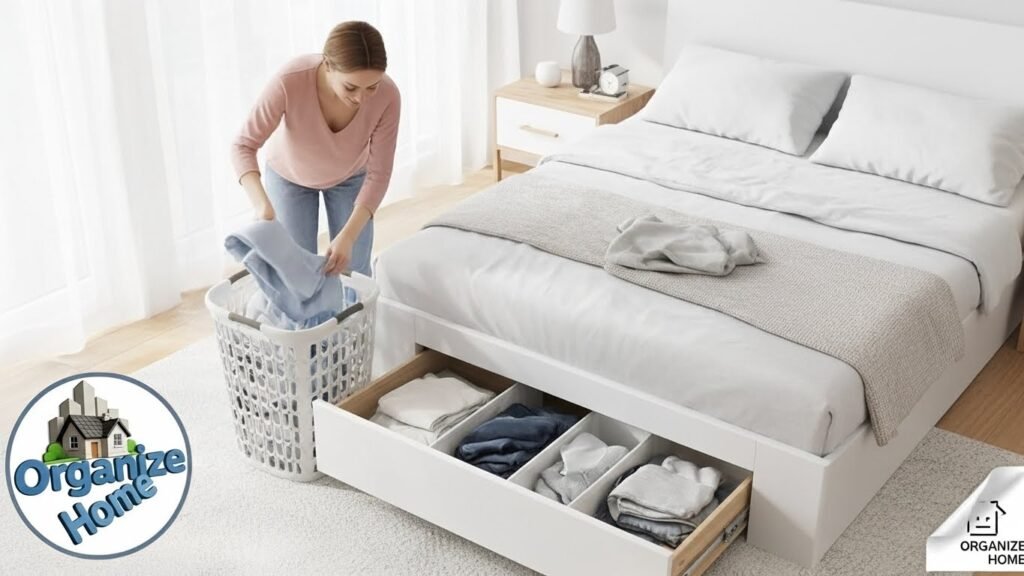
What a Morning Organization Routine Really Means for Busy Homes
A morning organization routine for busy homes is not about creating a calm, picture-perfect start to the day. In reality, busy mornings are often rushed, noisy, and unpredictable. A realistic morning routine is designed to support that reality, not fight against it.
For busy homes, a morning organization routine means preventing unnecessary mess, not fixing everything before leaving the house. The goal is to move through the morning with less friction, fewer obstacles, and fewer things to deal with later. It’s about keeping the home functional during peak activity, not making it look organized.
A common misconception is that morning organization requires extra time. In practice, it works best when it’s embedded into actions you’re already doing. Putting items back after use, keeping surfaces mostly clear, and returning essentials to their place as you go are small actions that don’t slow the morning down — they actually make it smoother.

Another important aspect is understanding what a morning routine is not. It is not a cleaning routine. It doesn’t involve wiping surfaces, scrubbing, or detailed tidying. It’s also not a decluttering session or a time to reorganize systems. Morning routines are about maintenance only, because mornings rarely allow for focus or extra energy.
In busy homes, a good morning organization routine is also selective. Not every room needs attention. Not every item needs to be perfectly placed. The routine focuses on the areas that affect daily flow the most — shared spaces, entry points, and frequently used items. When these are under control, the rest of the home can wait.
Flexibility is another defining feature. Some mornings allow for a few extra minutes, others barely allow for the basics. A realistic routine adapts without breaking. Even one or two small organizing actions count as success on busy days.
Most importantly, a morning organization routine for busy homes is meant to reduce stress, not add another task to the mental load. When expectations are realistic and actions are simple, organization becomes something that supports the morning — instead of something that competes with it.
Understanding what a morning organization routine really means sets the tone for the rest of this article. Once the purpose is clear, it becomes much easier to build habits that actually work in busy, real-life homes.
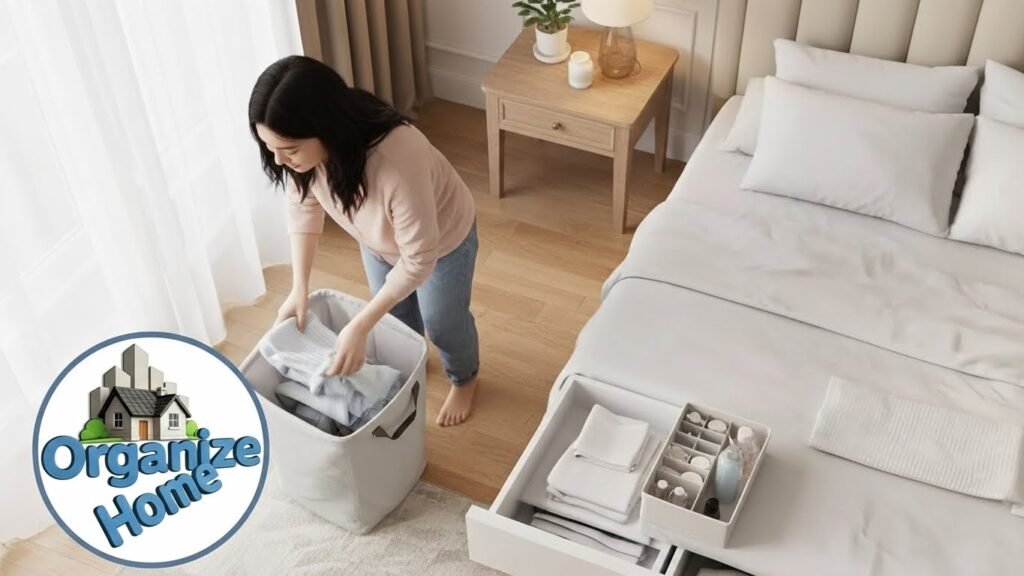
Why Mornings Are the Hardest Time to Stay Organized
Mornings are the hardest time to stay organized because everything happens at once. Energy is low, time is limited, and multiple people often need the same spaces and items at the same time. In busy homes, mornings are peak-use hours, which makes disorder more likely — even in well-organized houses.
One of the main challenges is time pressure. Mornings run on deadlines: work start times, school drop-offs, appointments, and routines that can’t be delayed. When time feels tight, organization is usually the first thing to be skipped. Items get left out, surfaces fill up quickly, and small messes spread fast.
Another reason mornings are difficult is decision overload. From choosing clothes to preparing bags and handling last-minute needs, the brain is already working hard. Adding extra decisions — like where to put things or how to organize a space — increases mental fatigue. This is why morning organization must rely on simple, automatic actions rather than thoughtful systems.
Busy mornings also involve constant movement. People move between rooms repeatedly, carrying items with them and setting things down temporarily. Without quick reset habits, those temporary placements turn into clutter that lingers throughout the day.
Homes with children or multiple adults face an added challenge: shared responsibility without shared timing. Not everyone moves at the same pace or notices the same mess, which makes full control unrealistic. Morning organization can’t depend on perfect cooperation — it has to work even when participation is uneven.
Finally, mornings often start from whatever condition the home was left in the night before. If there’s no baseline, mornings become reactive instead of smooth. That’s why morning organization routines need to be especially realistic and forgiving.
Understanding why mornings are difficult helps set better expectations. Instead of trying to “win” the morning, the goal becomes reducing friction, not eliminating mess — which makes organization far more achievable in busy homes.
The Goal of a Morning Routine (And What It Is Not)
The goal of a morning organization routine in busy homes is often misunderstood. Many people assume it’s about starting the day with a perfectly tidy house or fixing everything before leaving. In reality, the true goal is much simpler — and far more realistic.
A morning organization routine exists to support flow, not appearance. Its purpose is to help everyone move through the morning with fewer obstacles, fewer interruptions, and less stress. When essentials are easy to find, surfaces aren’t overloaded, and key areas remain functional, the morning feels smoother — even if the house isn’t spotless.
Another important goal is damage control. Mornings are high-activity periods, so some mess is inevitable. A good routine limits how far that mess spreads and how long it lasts. By keeping clutter contained and returning essentials to their places as you go, you prevent small issues from turning into bigger problems later in the day.
Just as important is understanding what a morning organization routine is not.
It is not a cleaning routine. There’s no scrubbing, wiping, or deep work involved. Those tasks require time and focus that mornings rarely allow. Mixing cleaning into morning routines usually creates pressure and leads to frustration.
It is also not a decluttering session. Mornings are not the time for decisions about what to keep, donate, or reorganize. Decision-heavy tasks slow everything down and add mental load when energy is already low.
Finally, a morning routine is not meant to be perfect or comprehensive. It doesn’t need to cover every room or every item. Its success is measured by function, not by how organized the house looks when everyone leaves.
When the goal is clear — smoother mornings, fewer obstacles, and less mess to deal with later — the routine becomes easier to follow. Organization stops feeling like an extra responsibility and starts working quietly in the background, exactly as it should in a busy home.

How Much Time a Morning Organization Routine Should Take
In busy homes, a morning organization routine needs to be short, flexible, and realistic. The biggest mistake is assuming that mornings require extra time for organization. In reality, an effective morning routine should take very little time — often just a few minutes spread naturally throughout the morning.
A realistic morning organization routine usually takes 5 minutes or less in total. This time isn’t set aside as a separate task. Instead, it’s integrated into actions you’re already doing, such as getting dressed, preparing to leave, or moving through shared spaces. Small organizing actions happen along the way rather than all at once.
Trying to dedicate a longer block of time in the morning often backfires. Mornings are already time-sensitive, and adding a formal routine can increase stress instead of reducing it. When organization feels like an extra responsibility, it’s more likely to be skipped entirely.
What matters most is distribution, not duration. A few seconds here and there — putting items back after use, clearing one surface, returning essentials to their place — add up without slowing the morning down. These micro-actions prevent clutter from building while keeping momentum intact.
It’s also important to accept that some mornings will allow for less organization than others. On especially rushed days, even one small organizing action is enough. The routine doesn’t fail just because it’s shorter — it succeeds by staying adaptable.
A morning organization routine should feel almost invisible. When it takes minimal time and fits naturally into existing habits, it supports busy mornings instead of competing with them. That’s what makes it sustainable and effective in real homes.
Morning Habits That Prevent Mess Before the Day Starts
Morning habits have a major influence on how organized a home feels for the rest of the day, especially in busy households. The purpose of these habits is not to create order from scratch, but to prevent unnecessary mess from forming during the most hectic hours.
One of the most effective habits is returning items immediately after use. Mornings involve constant transitions — getting dressed, preparing bags, grabbing essentials. When items are put back as soon as they’re no longer needed, clutter has less chance to spread. This habit saves time later, even if it takes only a few extra seconds in the moment.
Another important habit is keeping surfaces mostly clear. Mornings tend to generate surface clutter, especially in entryways, kitchens, and shared spaces. Choosing one or two key surfaces to protect — such as a counter or console — helps contain mess and makes the home feel more controlled.
Morning organization also benefits from preparing the night before. While this article focuses on mornings, a small amount of preparation ahead of time makes morning habits easier to follow. When items already have clear homes and are easy to return, morning organization becomes faster and more automatic.
It’s also helpful to avoid starting the day by moving clutter from one place to another. Setting items down “temporarily” often leads to piles that linger. Instead, placing things where they belong — even imperfectly — prevents mess from building early in the day.
Most importantly, morning habits should stay simple and repeatable. A few small actions done consistently have a greater impact than ambitious routines that are hard to maintain. When habits are realistic, they quietly prevent mess before the day truly begins.
👉 Daily Home Organization Routine (Realistic & Simple)

Simple Organization Actions to Do While Getting Ready
The most effective morning organization actions in busy homes are the ones that happen while you’re already getting ready. These actions don’t require extra time or focus — they simply use moments that already exist in the morning routine.
One simple action is closing the loop after each step. When you finish using something, return it to its place right away. Clothes go back to a drawer or hamper, toiletries return to their spot, and personal items are put away before moving to the next task. This prevents clutter from spreading room to room as the morning progresses.
Another helpful action is containing items instead of perfect placement. In the morning, speed matters more than precision. Dropping essentials into a basket, tray, or designated zone keeps things controlled without slowing you down. Containment is often enough to maintain order until there’s more time later.
While getting ready, it also helps to keep frequently used items grouped. Essentials like keys, bags, shoes, or daily accessories should be returned to the same general area each morning. Repetition reduces decision-making and makes organization feel automatic.
Avoid multitasking organization with decision-heavy actions. Morning organization should never require sorting, rearranging, or problem-solving. If something doesn’t have a clear place, skip it and move on. The goal is to maintain flow, not interrupt it.
These small actions, repeated daily, quietly prevent mess from building during the busiest part of the day. When organization happens alongside getting ready, it stops feeling like a task and becomes part of the natural rhythm of the morning.
How to Keep Common Areas Organized in the Morning Rush
Common areas are usually the first spaces to feel chaotic during busy mornings. Entryways, living rooms, and kitchens handle the most movement, which makes them vulnerable to quick clutter. A morning organization routine keeps these spaces functional by focusing on control, not perfection.
The most effective strategy is choosing one clear purpose for each common area during the morning. For example, the entryway supports leaving the house, the kitchen supports quick meals, and the living room supports short transitions. When each space has a clear role, it becomes easier to notice what doesn’t belong there and return items quickly.
Another key approach is surface discipline. Common areas tend to collect items simply because surfaces are available. Protecting one main surface in each area — such as a counter, table, or console — helps prevent visual clutter from spreading. Even if other areas are imperfect, keeping one surface clear makes the space feel under control.
Containment is especially important during the morning rush. Instead of aiming for perfect placement, use baskets, trays, or designated drop zones to temporarily hold items. This keeps things organized enough to function without slowing anyone down.
It’s also helpful to limit how many items enter common areas in the morning. Returning items to bedrooms or personal spaces as soon as they’re no longer needed prevents shared spaces from becoming storage zones.
Most importantly, accept that common areas won’t stay perfect during busy mornings. The goal is usability, not appearance. When common areas remain functional and easy to reset later, the morning organization routine is doing its job — even in the middle of the rush.
👉Why Your Home Gets Messy So Fast (And How to Fix It)

Morning Organization for Homes With Kids
Morning organization in homes with kids needs to be especially realistic. Children add movement, unpredictability, and extra items into the morning routine, which means organization cannot depend on calm conditions or perfect cooperation. A successful morning routine works with that chaos instead of trying to eliminate it.
The first key principle is simplifying expectations. In homes with kids, the goal is not to keep everything tidy in real time, but to prevent mess from spreading too far or lasting all day. Some disorder is normal in the morning, and planning for that makes organization far more effective.
Clear, easy-to-use systems are essential. Kids are much more likely to put things away when homes are obvious and accessible. Open baskets, low hooks, and simple zones support quick returns without instructions. If a system requires precision or adult help, it won’t work during the morning rush.
Another important strategy is containing kid-related clutter quickly. Toys, backpacks, shoes, and school items tend to travel through the house. Morning organization works best when these items are gathered into designated zones instead of being left across multiple rooms. Containment keeps common areas usable even if everything isn’t perfectly put away.
Timing also matters. Morning organization with kids should happen in motion, not as a separate task. Returning items while helping kids get ready, leaving a room, or transitioning to the next activity keeps organization lightweight and doable.
Most importantly, routines should not rely on constant reminders or enforcement. Morning organization works better when systems guide behavior naturally. When kids can participate without pressure, organization becomes part of the flow — not another source of stress.
In busy homes with kids, morning organization isn’t about control. It’s about creating enough structure to support the day without slowing it down.
What to Skip in the Morning (And Why It Matters)
Knowing what to skip is just as important as knowing what to do in a morning organization routine — especially in busy homes. Mornings have limited time and energy, and trying to do too much often creates more stress than benefit.
The first thing to skip is organizing hidden spaces. Drawers, cabinets, closets, and storage bins can wait. These areas don’t affect morning flow immediately and can easily turn a quick routine into a time-consuming task. Morning organization should focus on what’s visible and functional.
Another important thing to skip is reorganizing systems. Mornings are not the time to rethink where things belong, improve storage, or adjust routines. These decisions require focus and mental clarity that mornings rarely offer. Making changes during rushed moments often leads to frustration or unfinished tasks.
It’s also helpful to skip fixing other people’s messes in real time. In shared homes, especially with kids, trying to correct everything as it happens can slow the morning down and create tension. Morning organization works better when it prioritizes shared spaces and essentials instead of perfection.
Cleaning tasks should also be skipped. Wiping surfaces, scrubbing, or detailed tidying adds pressure and breaks the flow of the routine. Morning organization is about maintenance, not cleanliness.
Skipping these tasks matters because it protects the routine from becoming overwhelming. When the scope stays small, the routine stays doable. By intentionally leaving certain things for later, morning organization remains supportive — not another obligation competing for attention during the busiest part of the day.
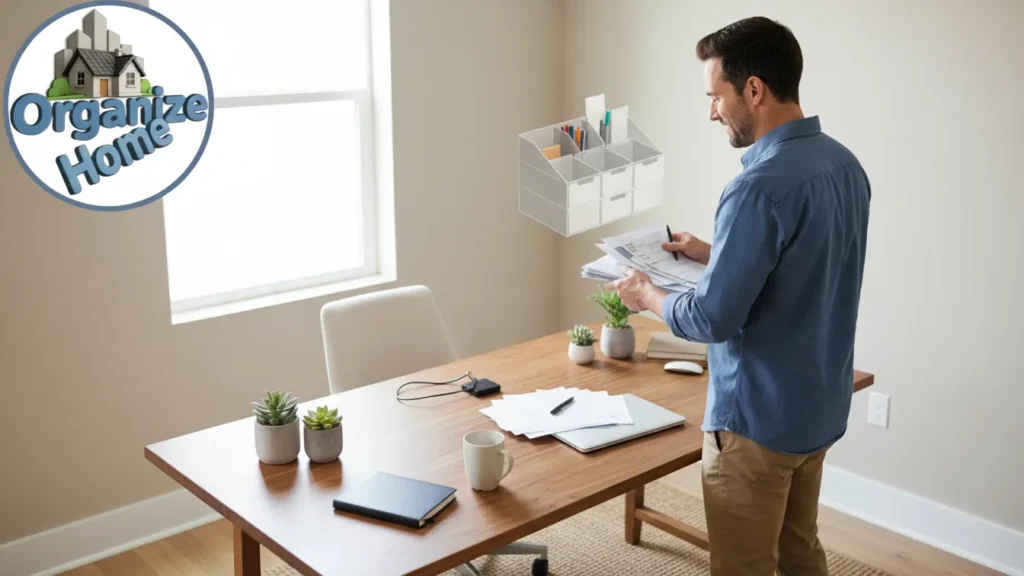
Common Morning Organization Mistakes Busy Homes Make
Busy homes often struggle with morning organization not because people aren’t trying, but because small, common mistakes quietly work against the routine. These mistakes usually come from good intentions, yet they make mornings harder instead of easier.
One frequent mistake is trying to do everything before leaving the house. Busy mornings don’t allow for full control, and expecting the home to be fully organized creates unnecessary pressure. When the routine feels too big, it’s more likely to be skipped entirely.
Another common issue is adding extra tasks to the morning. Turning organization into a checklist or formal routine slows things down and increases stress. Morning organization should blend into existing actions, not compete with them for time and attention.
Many homes also struggle because of unclear item homes. When it’s not obvious where essentials belong, mornings become filled with searching and decision-making. This leads to items being left out “temporarily,” which quickly turns into clutter that lasts all day.
Perfectionism is another major obstacle. Expecting items to be placed perfectly or spaces to look tidy in real time often backfires. In busy homes, organization works best when it focuses on containment and function, not appearance.
Finally, relying on motivation or reminders instead of systems is a mistake. Morning routines should not depend on constant reminders, especially with multiple people involved. Clear zones and simple systems guide behavior naturally and reduce the need for supervision.
Avoiding these common mistakes keeps morning organization realistic and supportive. When the routine stays simple and flexible, it helps busy homes move through the morning with less friction — even on the most hectic days.
How to Adjust Your Morning Routine on Extra Busy Days
Extra busy mornings are unavoidable, especially in homes with tight schedules, unexpected delays, or multiple people needing attention at the same time. On these days, a morning organization routine should adapt, not disappear. The goal is to keep things functional without adding pressure.
The most important adjustment is shrinking the routine to its simplest form. On extra busy days, organization may come down to just one or two actions: returning essentials to their place, clearing a single surface, or keeping the entryway usable. This smaller version of the routine still protects the day from unnecessary mess.
Another helpful adjustment is focusing only on what affects leaving the house. Bags, shoes, keys, and daily essentials take priority. When these items are easy to find and put away, the rest of the home can wait. This keeps the morning moving forward instead of getting stuck on details.
It’s also important to let go of ideal timing. On extra busy days, organization might happen in fragments — a few seconds here and there instead of a continuous flow. These micro-actions still count and often prevent bigger messes later.
Lowering expectations is essential. Extra busy days are not the moment to “catch up” or improve systems. They’re about containment and damage control only. Trying to do more usually increases stress and slows everything down.
Most importantly, an adjusted routine should never feel like failure. Flexibility is built into effective morning organization. When the routine bends on hard days and naturally expands again on calmer ones, it remains sustainable.
By allowing your morning organization routine to scale down when needed, you protect the habit instead of breaking it — ensuring it continues to support busy homes over the long term.

Turning Morning Organization Into a Sustainable Habit
A morning organization routine only becomes effective long term when it turns into a habit, not a task you have to remember or force yourself to do. In busy homes, habits are what make organization survive real life — rushed mornings, low energy, and unexpected changes.
The key to building a sustainable habit is consistency of context, not consistency of results. When the same small organization actions happen during the same parts of the morning — getting dressed, leaving a room, or preparing to leave the house — the brain begins to associate those moments with organization automatically.
Another important factor is keeping the routine emotionally neutral. Morning organization should never feel like a test you pass or fail. Some mornings will be smoother than others, and that’s expected. Habits form when actions are repeated without guilt, pressure, or perfectionism.
Sustainable habits also depend on simplicity. When morning organization requires too many steps or decisions, it won’t last. Habits stick when actions are obvious and easy: returning items to their place, containing essentials, and protecting key surfaces. These actions require very little mental energy, which is crucial in the morning.
It’s also important to let the habit flex with the day. On calmer mornings, the routine may feel more complete. On extra busy mornings, it may shrink to just one or two actions. Both reinforce the habit. What matters is returning to the routine again and again, not executing it perfectly.
Over time, a sustainable morning organization routine fades into the background. You don’t think about it — you simply do it. Organization becomes part of how the household moves through the morning, quietly reducing stress and making busy days feel more manageable.
When morning organization becomes a habit, it stops competing with your routine and starts supporting it. That’s when it truly works for busy homes.