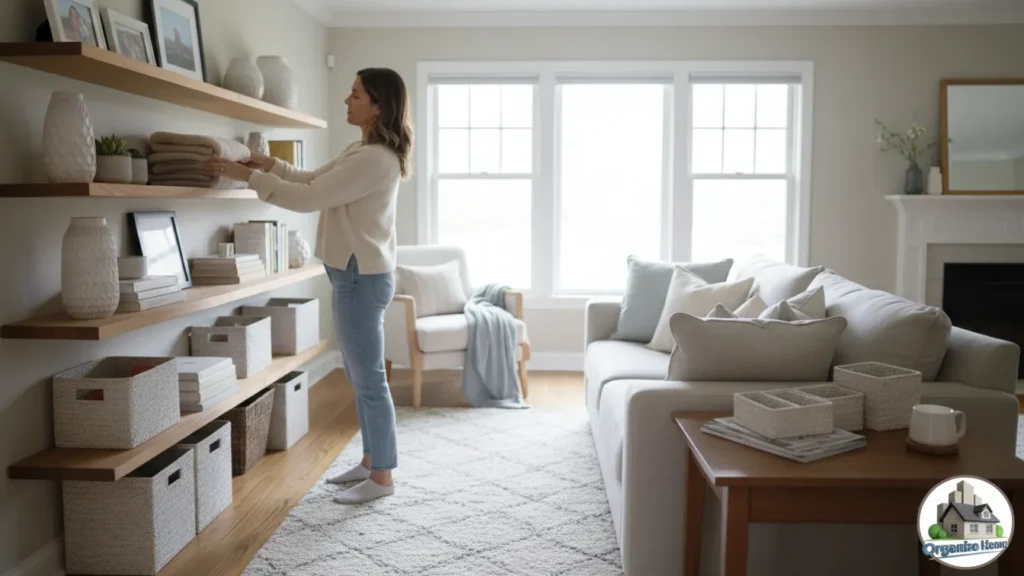
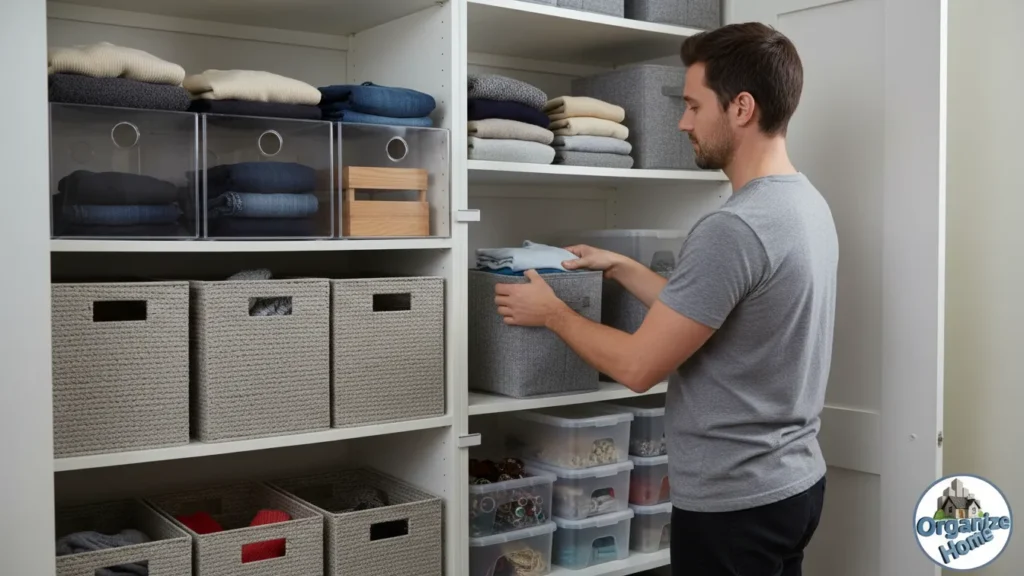
What a Realistic Daily Home Organization Routine Looks Like
A daily home organization routine is often imagined as something rigid, time-consuming, or only possible for people with perfectly calm schedules. In reality, a realistic routine looks very different. It’s flexible, simple, and built to support everyday life — not control it.
At its core, a realistic daily home organization routine is about maintenance, not transformation. It does not aim to make your home look perfect every day. Instead, it focuses on keeping things functional and preventing small messes from turning into overwhelming clutter. This mindset shift is what makes the routine sustainable.
A realistic routine fits into normal days, including busy ones. It doesn’t require long blocks of time, special tools, or high motivation. Most of the actions happen in short moments that already exist — after using something, before leaving a room, or during natural transitions throughout the day. These small actions add up without feeling heavy.
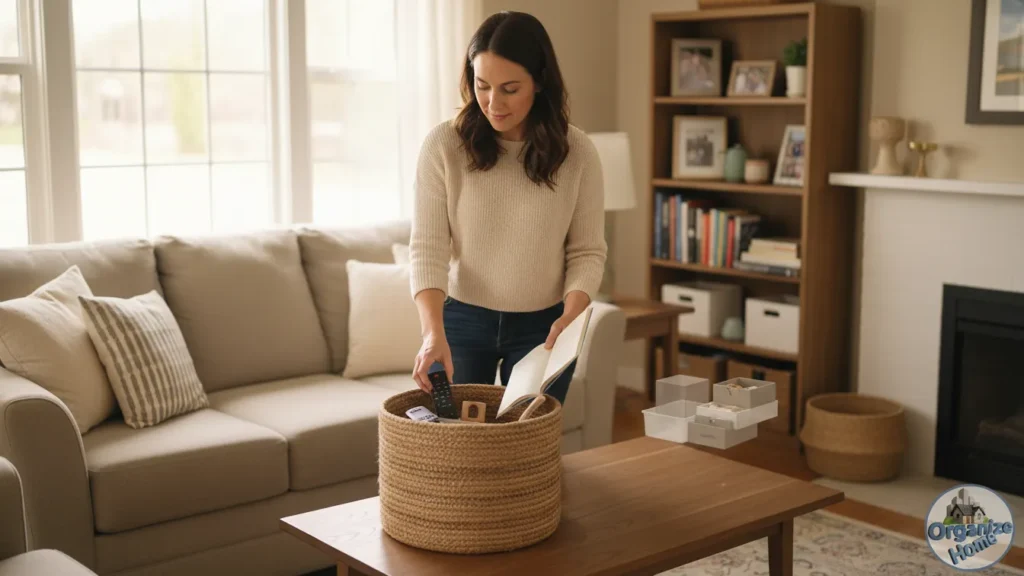
Another important characteristic of a realistic daily home organization routine is that it’s personal. It reflects how your household actually functions. A routine that works for someone who lives alone will look different from one that works for a family or a shared home. The goal is not to follow a universal checklist, but to create a rhythm that matches your lifestyle, energy levels, and priorities.
Realistic routines are also forgiving. Some days will be smoother than others. On low-energy or unpredictable days, the routine may shrink to just one or two small resets — and that’s still success. A routine that only works on “perfect” days isn’t realistic, and it won’t last.
What a daily home organization routine does not look like is just as important. It is not a cleaning schedule. It does not involve scrubbing, wiping, or deep work. It also isn’t a daily decluttering process that requires constant decision-making. Those activities belong in their own time and place. Mixing them into daily organization usually leads to burnout.
Instead, a realistic daily home organization routine looks calm and almost invisible. Items are returned to their places. Surfaces are lightly reset. Spaces are kept usable, even if they’re not flawless. Over time, this creates a home that feels easier to live in — not because it’s always perfect, but because it’s consistently manageable.
Understanding what a realistic routine truly looks like sets the foundation for everything else in this article. Once expectations are clear, daily organization stops feeling like another task and starts feeling like a natural part of everyday life.
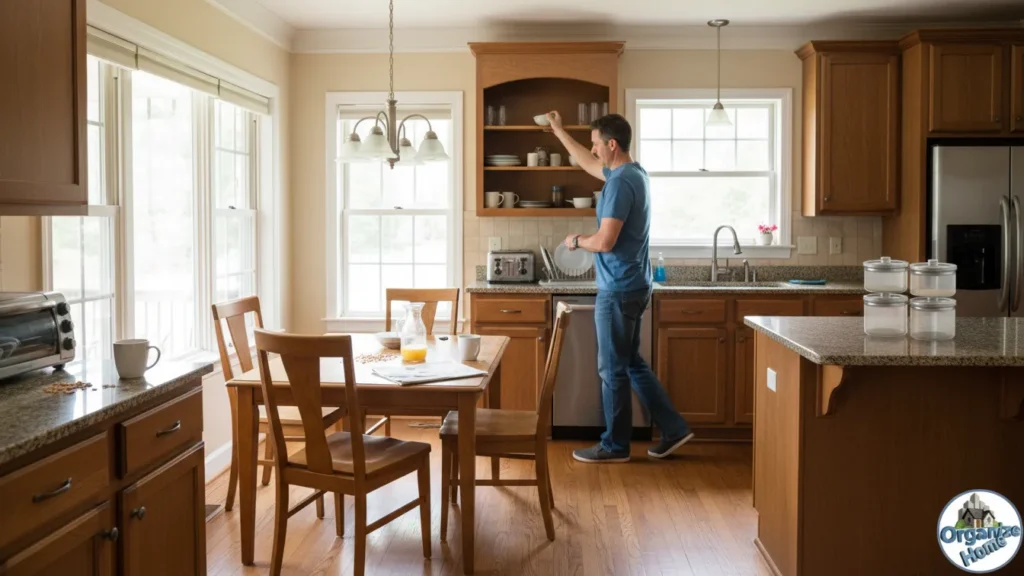
Why Simple Routines Work Better Than Perfect Ones
When it comes to daily home organization, simple routines consistently outperform perfect ones. While perfect routines may look impressive on paper, they often fail in real life because they demand too much time, energy, and consistency. Simple routines, on the other hand, are designed to survive busy days, low motivation, and unexpected interruptions.
Perfect routines usually rely on fixed schedules, multiple steps, and ideal conditions. They assume that every day will allow for focus, energy, and uninterrupted time. When real life doesn’t cooperate — which happens often — those routines break. Once broken, they’re hard to restart, and many people abandon them entirely.
Simple routines work because they reduce friction. Fewer steps mean fewer decisions, and fewer decisions mean less resistance. When organization feels easy, it happens more often. Putting something back where it belongs takes far less effort than following a detailed checklist, and that ease is what makes the habit stick.
Another reason simple routines succeed is flexibility. A simple daily home organization routine can shrink or expand depending on the day. On a busy day, it might be one quick reset. On a calmer day, it might include a few extra minutes of organization. The routine adapts without failing.
Simple routines also protect against burnout. Organization shouldn’t feel like a performance or a standard to maintain. When expectations are realistic, consistency becomes possible. Over time, these small, repeatable actions create a home that feels organized not because everything is perfect, but because disorder never gets the chance to take over.
In daily home organization, simplicity isn’t a compromise — it’s the strategy that makes long-term success possible.
The Core Elements of a Daily Organization Routine
Every effective daily home organization routine is built on a few core elements. These elements stay the same even when schedules change, energy levels fluctuate, or life gets busy. Understanding them helps you create a routine that actually works — instead of one that looks good but falls apart.
The first core element is clear homes for everyday items. A routine can only function if items have obvious places to return to. When homes are unclear, daily organization turns into decision-making, which slows everything down. Clear, easy-to-reach homes make putting things away fast and almost automatic.
The second element is short, repeatable actions. Daily organization isn’t about variety or novelty. It’s about doing the same small actions again and again. Returning items after use, resetting a surface, or doing a quick visual scan of a room are simple actions that require little effort but deliver consistent results.
Another essential element is natural timing. A good routine connects organization to moments that already exist — finishing an activity, leaving a room, or ending the day. This removes the need to “find time” and makes organization part of normal flow instead of an extra task.
Daily organization routines also rely on limited scope. You’re not organizing the entire house every day. You’re maintaining key areas that affect daily life the most. Focusing on a few high-impact spaces keeps the routine manageable and prevents burnout.
Finally, flexibility is a core element. A daily home organization routine must be able to scale up or down without breaking. Some days allow for more resets, others only one. Both are valid. A routine that allows adjustment is far more sustainable than one that demands consistency at all costs.
When these core elements are in place, daily organization stops feeling complicated. The routine becomes lighter, faster, and easier to maintain — which is exactly what makes it work long term.
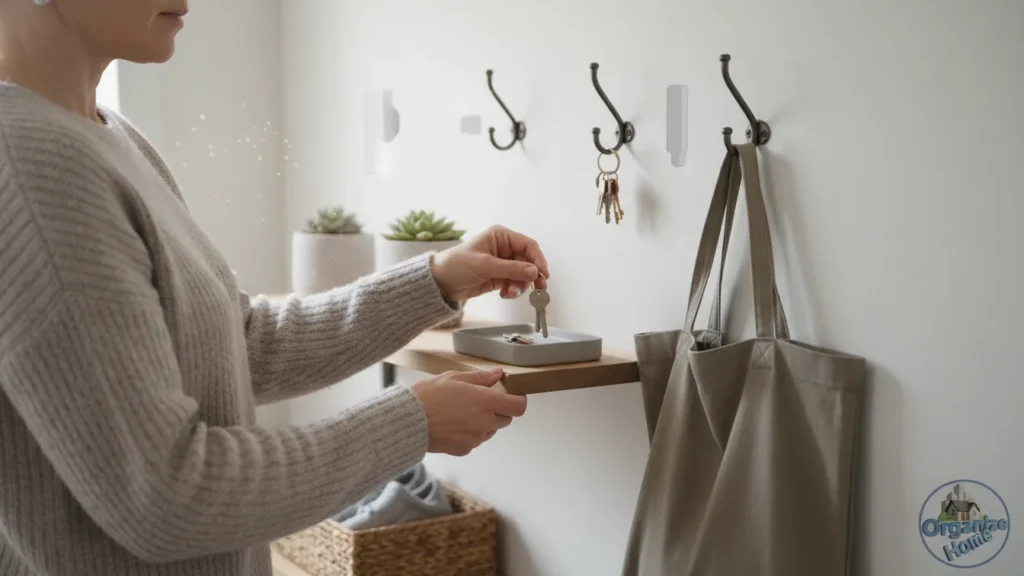
How Much Time a Daily Organization Routine Really Takes
One of the biggest misconceptions about a daily home organization routine is that it requires a large time commitment. Many people assume that staying organized means setting aside long periods every day, which immediately makes the routine feel unrealistic. In practice, a daily organization routine takes far less time than most people expect.
A realistic routine is measured in minutes, not hours. Most daily organization actions happen in short bursts — often one to five minutes at a time. Putting items back after use, resetting a surface, or returning things to their designated homes can be done quickly when systems are simple and clear.
What often makes organization feel time-consuming isn’t the action itself, but the buildup of mess. When organization is delayed, it turns into a larger task that requires sorting, decision-making, and mental effort. Daily routines prevent this buildup, which is why they actually save time overall.
Another important point is that daily organization doesn’t happen all at once. Time is spread throughout the day in small, natural moments. A minute here, two minutes there — these moments add up without ever feeling heavy. Because the effort is distributed, it rarely feels like a chore.
On busy days, a daily home organization routine may take less than five minutes total. On calmer days, it might take ten or fifteen. Both are effective. The routine adjusts to the day instead of demanding a fixed time block.
Understanding how little time daily organization truly takes helps remove resistance. When expectations are realistic, it becomes much easier to start — and even easier to keep going.
Morning Habits That Support Daily Home Organization
Morning habits play a quiet but powerful role in a daily home organization routine. The goal in the morning is not to organize the entire house, but to start the day without creating unnecessary mess that will need to be dealt with later.
One of the most effective morning habits is starting from a light baseline. When key areas were reset the night before, mornings feel calmer and require less effort. This doesn’t mean everything must be perfect — just functional enough to move through the day smoothly.
Another supportive habit is closing the loop as you go. In the morning, routines tend to be fast-paced, which makes it tempting to leave things out “for later.” Taking a few seconds to put items back after use — returning toiletries, hanging up towels, placing dishes where they belong — prevents clutter from spreading early in the day.
Morning organization habits also work best when they’re minimal and automatic. This is not the time for decision-making or detailed organizing. Simple actions, like clearing one surface or returning frequently used items to their homes, are enough to support the rest of the day.
It’s also important to keep expectations low. Mornings are often rushed, and that’s okay. Even one small organizing action counts. The purpose of morning habits is to reduce friction, not add pressure.
When morning organization stays light and realistic, it sets a supportive tone for the day. The home feels easier to move through, and daily organization becomes something that happens naturally — not something that needs to be “caught up on” later.
👉 10-Minute Daily Organization Reset

Daytime Organization Habits That Prevent Mess
Daytime habits are where a daily home organization routine quietly does most of its work. Unlike mornings and evenings, daytime is full of movement — activities begin, pause, and shift throughout the day. Without simple habits in place, this is when clutter tends to spread the fastest.
The most effective daytime organization habit is resetting as you transition. When one activity ends and another begins, taking a brief moment to return items to their place keeps mess from carrying over into the next part of the day. This might mean putting supplies away after use or clearing a surface before moving on.
Another important habit is containing clutter immediately. Instead of letting items float from room to room, daily organization works best when objects are returned to their home as soon as possible. This prevents small piles from forming and keeps spaces functional.
Daytime organization should remain light and practical. This is not the time to reorganize drawers, rethink systems, or make decluttering decisions. Those actions require focus and energy and can easily derail the routine. Daytime habits are about maintenance only.
It’s also helpful to focus on high-traffic areas during the day. Shared spaces, frequently used surfaces, and entry points benefit the most from quick resets. Keeping these areas under control has a disproportionate effect on how organized the entire home feels.
By using natural pauses and keeping habits simple, daytime organization prevents mess from accumulating. Instead of reacting to clutter later, small actions throughout the day keep the home closer to baseline — without adding stress or taking extra time.
Evening Resets That Keep Your Home Organized
Evening resets are one of the most effective parts of a daily home organization routine because they set up tomorrow before it even starts. Unlike daytime habits, which focus on preventing mess, evening resets focus on restoring a calm baseline at the end of the day.
An evening reset does not mean organizing the entire house. A realistic reset is short, focused, and limited to the areas that affect daily flow the most. This might include shared spaces, frequently used surfaces, or entry points that tend to collect clutter.
The power of an evening reset comes from closure. Returning items to their homes, clearing visible clutter, and lightly resetting key areas signals that the day is done. This makes the home feel calmer and more manageable, even if not everything is perfect.
Another benefit of evening resets is that they reduce morning stress. Starting the day in a space that’s already somewhat organized removes friction and decision-making. Even a five-minute reset can make mornings feel smoother and less rushed.
Evening resets should stay simple and flexible. Some nights allow for a bit more effort, others for very little. Both count. The goal is not consistency in length, but consistency in intention — ending the day with a home that feels easier to return to.
When evening resets become part of the routine, daily home organization feels less like maintenance and more like support. The home doesn’t need to be perfect overnight — it just needs to be ready for the next day.
👉 How to Build a Daily Organization Habit That Sticks
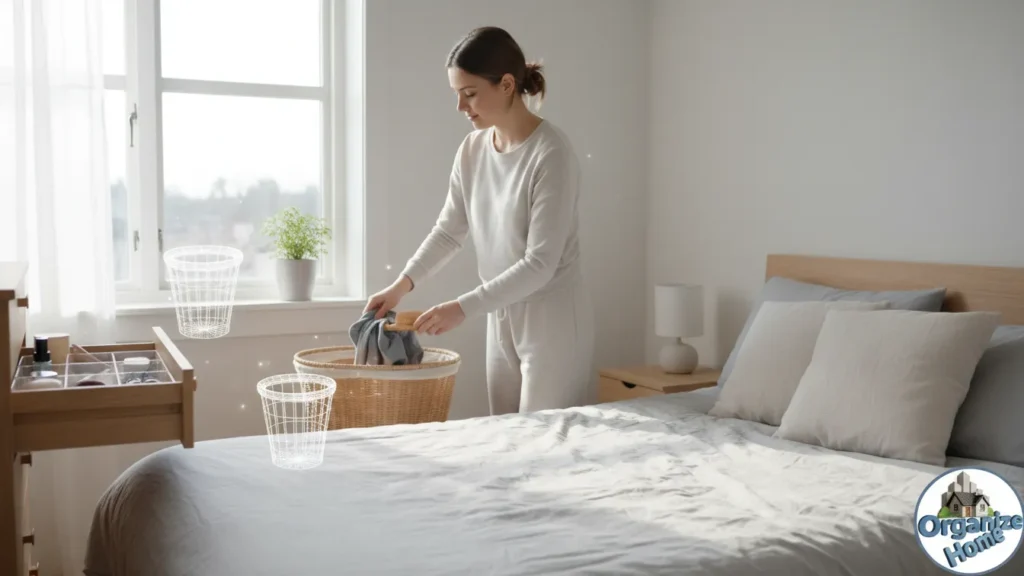
How to Adapt a Daily Organization Routine to Busy Days
Busy days are the real test of any daily home organization routine. Schedules get compressed, energy drops, and unexpected things take over. A routine that only works on calm days isn’t realistic — which is why adaptability is essential.
On busy days, the routine should shrink, not disappear. Instead of trying to follow every step, focus on the minimum actions that keep the home functional. This might be returning the most-used items to their places or clearing just one key surface. Doing less on busy days is not failure; it’s part of a sustainable system.
One effective way to adapt is by identifying non-negotiable zones. These are areas that have the biggest impact on daily life, such as the entryway, kitchen counter, or living room surface. When time is limited, concentrating on these zones keeps the home feeling under control, even if other areas are temporarily ignored.
Busy days also require letting go of ideal timing. Organization doesn’t need to happen at a specific hour. A quick reset during a transition, a pause, or the end of the day still counts. Flexibility in timing makes it easier to maintain the habit when life is unpredictable.
Another key adjustment is lowering expectations without guilt. Busy days are not the moment for improvement or optimization — they’re about maintenance only. The goal is to prevent chaos, not to create perfection.
When a daily home organization routine is designed to bend instead of break, it survives busy seasons. Small, intentional actions keep the system alive, making it easier to return to a fuller routine when life slows down again.
Daily Organization Routines for Different Lifestyles
A daily home organization routine only works when it reflects the reality of your lifestyle. What feels simple and sustainable for one household may feel impossible for another. That’s why effective routines are adaptable, not one-size-fits-all.
For people who live alone or spend a lot of time outside the home, daily organization routines tend to be minimal. The focus is usually on quick resets of personal items, keeping surfaces clear, and maintaining a few key zones. Because fewer people are involved, organization often happens naturally through individual habits.
In families or shared homes, routines need to account for constant movement and shared responsibility. Instead of relying on perfect participation from everyone, routines work best when systems are simple enough that anyone can follow them without instruction. Open storage, clear zones, and frequent small resets help contain mess in high-traffic areas.
For those who work from home, daily organization routines often revolve around protecting work zones. Resetting a desk at the end of the workday, returning supplies to their place, and keeping boundaries between work and living areas helps maintain both productivity and home order.
Busy caregivers or people in unpredictable schedules benefit most from low-effort routines. On these lifestyles, the routine may focus on just one or two anchor resets per day. This keeps the home functional without adding pressure during already demanding days.
The key across all lifestyles is alignment. When a daily home organization routine matches how life actually flows, it becomes easier to maintain. The routine supports the lifestyle instead of competing with it — and that’s what makes daily organization sustainable in the long run.
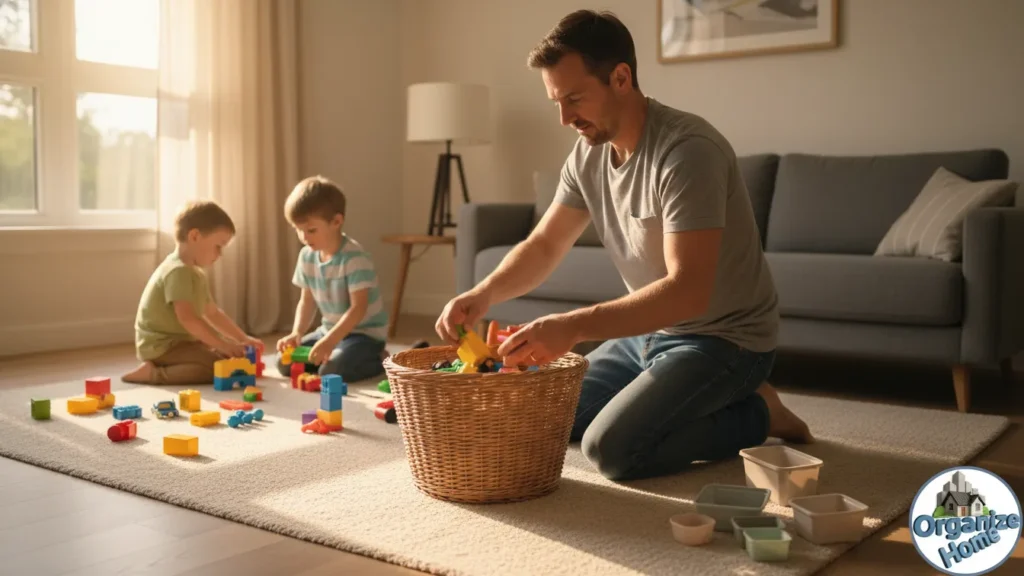
Common Mistakes That Make Daily Routines Fail
Most daily home organization routines don’t fail because people lack discipline or motivation. They fail because of small, predictable mistakes that quietly make the routine harder than it needs to be. Recognizing these mistakes helps you adjust before frustration sets in.
One of the most common mistakes is trying to do too much every day. When a routine includes too many steps or areas, it quickly becomes overwhelming. Daily organization works best when it stays light. Overloading the routine increases resistance and makes it easier to skip entirely.
Another frequent issue is mixing daily organization with other tasks. Adding cleaning, decluttering, or reorganizing into a daily routine turns simple maintenance into a heavy project. Daily routines are meant to maintain order, not improve systems. When roles get mixed, routines become exhausting.
Perfectionism is another major reason routines fail. Waiting for the “right time,” enough energy, or ideal conditions often leads to no action at all. Daily organization should tolerate imperfect effort. Partial resets and quick wins are what keep the habit alive.
Many routines also fail because they aren’t connected to real life. A routine that ignores natural rhythms, busy periods, or household dynamics won’t last. When organization doesn’t fit how the day actually flows, it feels forced and gets abandoned.
Finally, inconsistency in systems can undermine routines. If item homes change often or aren’t clear, daily organization turns into decision-making. Simple, stable systems support routines far better than constantly adjusted ones.
Avoiding these common mistakes keeps daily home organization realistic and sustainable. When routines stay simple, flexible, and aligned with real life, they’re far more likely to succeed long term.
How to Stay Consistent Without Feeling Overwhelmed
Consistency is often misunderstood as doing the same thing every single day without fail. In daily home organization, consistency actually means returning to the routine whenever possible, not executing it perfectly or completely every day. This mindset shift is what prevents overwhelm and helps routines last.
One of the most effective ways to stay consistent is by lowering the minimum requirement. Instead of expecting a full routine, decide what the smallest version of your daily organization looks like. This might be one quick reset or returning a few key items to their place. When the bar is low, it’s much easier to show up regularly.
Another important strategy is separating consistency from motivation. Daily organization works best when it doesn’t rely on feeling inspired or energetic. Simple, repeatable actions done in familiar moments require far less mental effort than tasks that depend on motivation.
It’s also helpful to focus on patterns instead of isolated days. Missing a day doesn’t break the routine. What matters is avoiding long gaps. When you treat daily organization as something you return to — not something you start over — it stays manageable and stress-free.
Finally, consistency improves when the routine feels supportive rather than demanding. If a routine creates pressure or guilt, it’s a sign that it needs to be simplified. Daily home organization should reduce mental load, not add to it.
By keeping expectations realistic and effort low, staying consistent becomes natural. The routine fits into daily life without taking it over — which is exactly what makes it sustainable.
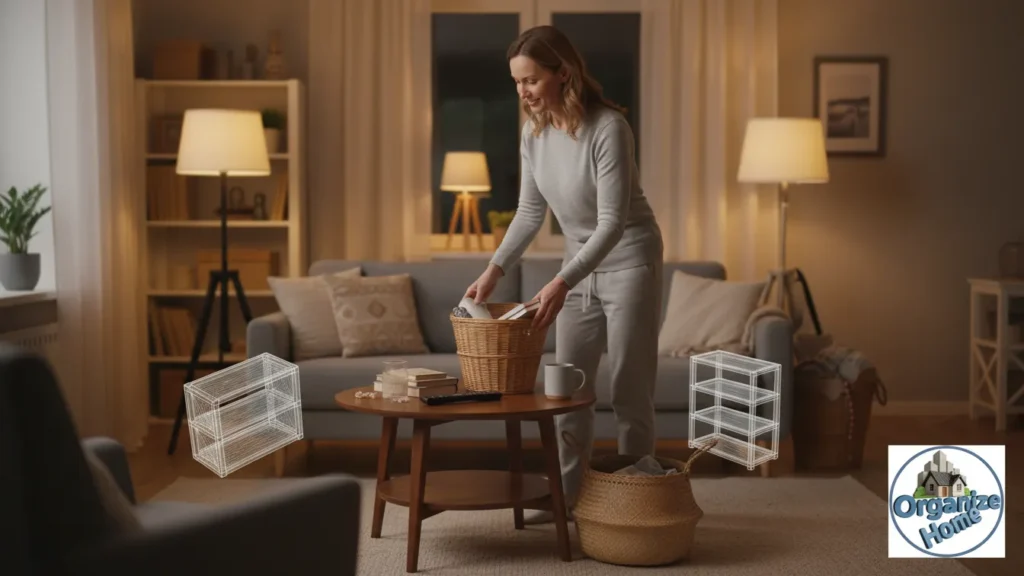
Turning a Simple Routine Into a Long-Term Habit
A daily home organization routine only becomes truly effective when it turns into a habit, not something you have to think about or plan every day. The transition from routine to habit happens gradually — through repetition, simplicity, and emotional neutrality.
The most important factor in habit formation is ease. If a routine feels heavy or demanding, it won’t last long enough to become automatic. Simple routines that require little effort are repeated more often, and repetition is what builds habits. Daily organization actions should feel almost too easy — that’s a sign they’re sustainable.
Another key element is consistency of context. Doing the same small actions in the same situations helps the brain form associations. Returning items when leaving a room, resetting a surface at the end of the day, or putting things away after use creates predictable cues. Over time, these cues trigger the habit without conscious thought.
Long-term habits also depend on removing emotional pressure. A daily home organization routine shouldn’t be tied to guilt, discipline, or self-judgment. Missing a day doesn’t undo progress. Habits strengthen through return, not perfection. When the routine feels neutral — neither a reward nor a punishment — it becomes easier to maintain.
It’s also helpful to keep routines stable over time. Constantly changing steps, adding new rules, or optimizing systems can disrupt habit formation. Simple, familiar actions repeated over weeks and months are far more effective than complex routines that change frequently.
When a daily home organization routine becomes a habit, it fades into the background of daily life. Organization happens naturally, without effort or planning. The home stays manageable not because of constant work, but because small, consistent actions quietly support it every day.