What Daily Home Organization Really Means (And What It Is Not)
Daily home organization is often misunderstood — and that misunderstanding is exactly why so many people feel like their homes are never truly under control. Before diving into routines, habits, or systems, it’s essential to clearly define what daily home organization actually means — and just as importantly, what it does not mean.
At its core, daily home organization is about maintaining order through small, intentional actions done consistently. It is not a big project, not a weekend overhaul, and not something that requires hours of effort. Instead, it focuses on keeping your home functional, livable, and easy to reset as part of everyday life.
What Daily Home Organization Really Is
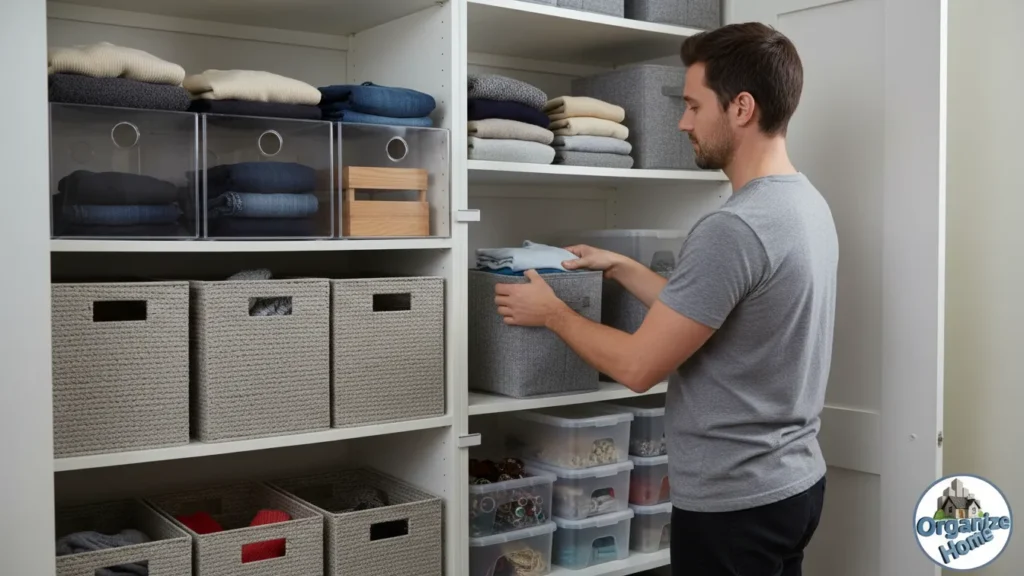
Daily home organization is a maintenance mindset. It assumes that your home already has some basic structure — even a simple one — and the goal is to prevent clutter and disorder from building up again.
This type of organization:
- Happens in short, manageable moments throughout the day
- Focuses on putting things back where they belong
- Supports daily life instead of interrupting it
- Works with your routines, not against them
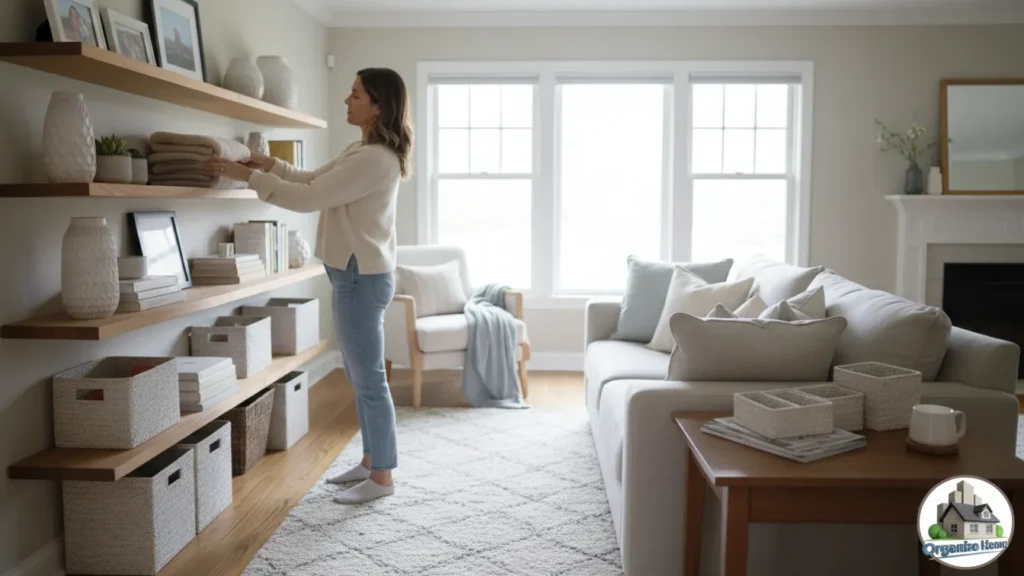
Think of it as gentle course correction. Instead of letting mess accumulate until it becomes overwhelming, daily home organization keeps things from drifting too far out of place in the first place.
Another important aspect is realism. Daily home organization is designed for real homes with real people, including busy schedules, children, shared spaces, and unexpected interruptions. It does not rely on perfection or ideal conditions. Some days will be smoother than others — and that’s built into the concept.
What Daily Home Organization Is Not
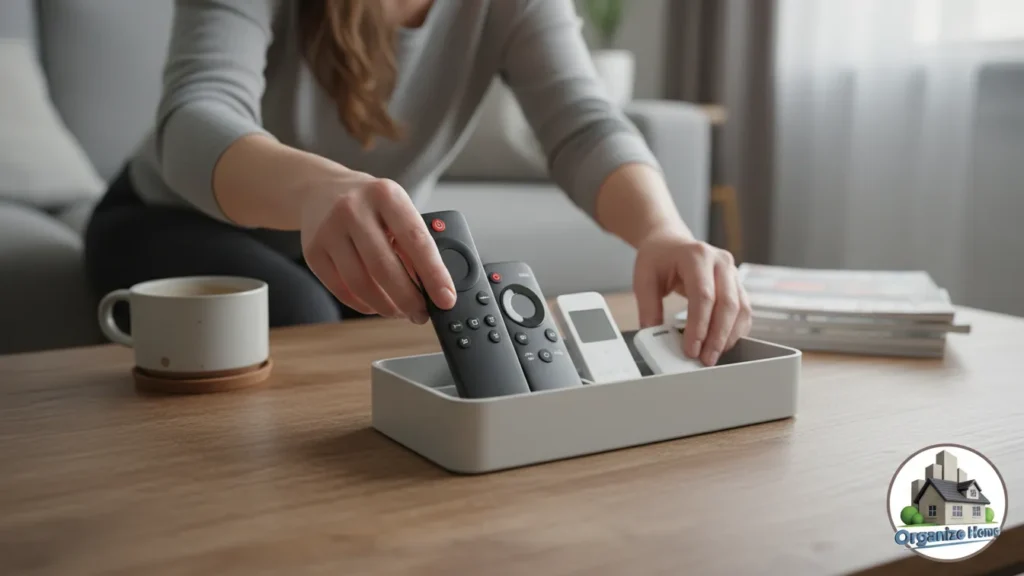
One of the biggest mistakes people make is confusing daily organization with other home tasks. Daily home organization is not cleaning. It doesn’t involve scrubbing, wiping, disinfecting, or deep work. If the main action involves cleaning products or surfaces, that’s a different category altogether.
It’s also not decluttering. Daily organization does not require making decisions about what to keep or get rid of. Those decisions belong to separate, intentional decluttering sessions. Trying to declutter every day often leads to decision fatigue and burnout.
And finally, daily home organization is not a rigid system. There is no single “correct” routine that works for everyone. What matters is consistency, not complexity. If a system is too strict or time-consuming, it usually won’t last.
Why This Distinction Matters
Understanding what daily home organization truly means sets the foundation for everything that follows. When expectations are realistic, daily organization stops feeling heavy or discouraging. It becomes something that supports your life instead of adding another obligation.
When daily home organization is done right, it creates:
- Less visual and mental clutter
- Faster resets when life gets busy
- A home that feels easier to live in
This pillar is about building that understanding first — so that every routine, habit, and reset introduced later actually makes sense and fits into daily life.
👉 Daily Home Organization Routine (Realistic & Simple)
Why Daily Organization Is Easier Than Weekly Resets
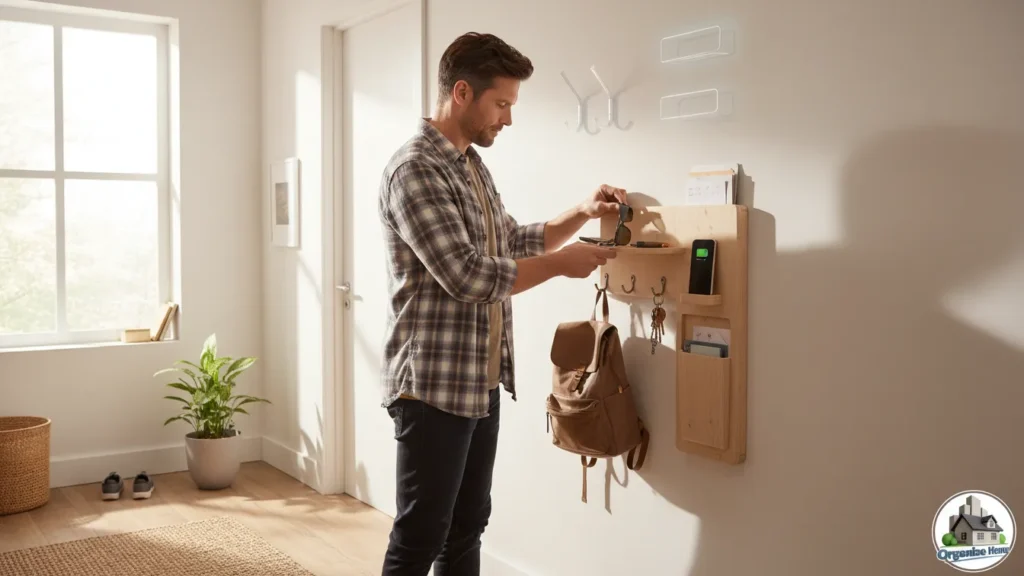
Many people believe that staying organized requires setting aside a specific day of the week to “fix” the house. While weekly resets can be helpful, relying on them alone often makes organization feel heavier and more exhausting than it needs to be. Daily organization is easier precisely because it spreads effort over time instead of concentrating it into one overwhelming moment.
When organization is postponed for an entire week, small messes quietly grow into larger problems. Items pile up, surfaces disappear under clutter, and the mental load increases along with the physical mess. By the time the weekly reset arrives, the task feels daunting — and sometimes so discouraging that it gets delayed again.
Daily organization works differently. Instead of asking, “When will I have time to fix everything?”, it asks, “What small thing can I reset right now?” This shift removes pressure. Putting items back at the end of the day, clearing one surface, or returning objects to their designated spots takes far less energy than reorganizing an entire room at once.
Another reason daily organization feels easier is that it requires fewer decisions. Weekly resets often involve sorting, moving, and rethinking spaces. Daily organization focuses mostly on maintenance — returning things to where they already belong. Fewer decisions mean less mental fatigue, which makes it much more likely that the habit will stick.
Daily organization also fits better into real life. Busy schedules, unexpected interruptions, and low-energy days don’t derail the process because there is no single “make-or-break” moment. Even doing a little still counts.
Over time, daily organization reduces the need for intense weekly resets altogether. The home stays closer to baseline, mess feels more manageable, and organization becomes a natural part of everyday life instead of a recurring chore.
The Difference Between Organizing and Cleaning in Daily Routines
One of the most common reasons daily organization feels confusing is that it’s often mixed up with cleaning. While both contribute to a comfortable home, they serve very different purposes — and understanding that difference makes daily routines much easier to maintain.
Organizing is about structure and placement. It answers questions like:
Where does this item belong?
Is this space easy to reset?
Can I put things away quickly without thinking too much?
Cleaning, on the other hand, is about hygiene and appearance. It involves removing dirt, dust, and germs. Even though cleaning can make a space look better, it doesn’t solve the problem of items being out of place.
In daily routines, organization should come first conceptually — even if cleaning happens on a different schedule. When a home is organized, cleaning becomes faster and less stressful. When a home is disorganized, cleaning often feels pointless because mess returns almost immediately.
Daily home organization focuses on actions like:
- Putting items back after use
- Resetting surfaces by removing clutter
- Returning objects to their designated zones
None of these tasks require cleaning products or extended time blocks. They simply restore order.
Another important distinction is energy level. Daily organization is designed to work even on low-energy days. You can organize without needing motivation, special tools, or perfect conditions. Cleaning usually requires more physical effort and planning, which is why it doesn’t belong in daily organization routines.
When organizing and cleaning are treated as separate tasks, daily organization becomes lighter and more sustainable. Instead of trying to “do everything,” you maintain order consistently — and let cleaning happen when it’s scheduled to happen.
This separation is key to building routines that actually last.
👉 10-Minute Daily Organization Reset
How Daily Home Organization Prevents Constant Mess
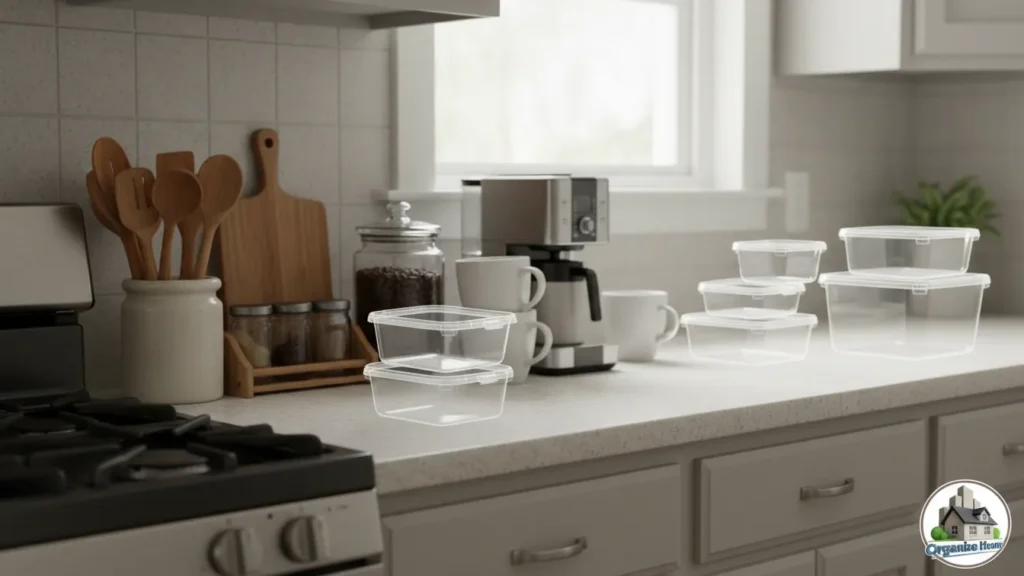
Constant mess is rarely caused by a single big problem. Most of the time, it’s the result of small, repeated moments where items don’t get put back. Daily home organization works because it interrupts that pattern before clutter has time to grow.
When organization is not part of everyday life, mess follows a predictable cycle. An item is used and set down “just for now.” That turns into several items, then into a surface that feels overwhelming to deal with later. The longer mess sits, the harder it feels to fix — not because it’s complicated, but because it now requires time, energy, and decision-making.
Daily home organization prevents this by focusing on immediate resets, not delayed fixes. When items are returned to their place shortly after use, clutter doesn’t get the chance to multiply. A jacket goes back on its hook. Shoes return to their spot. Mail is placed where it belongs instead of forming a pile. These actions are small, but their impact compounds over time.
Another reason daily organization prevents constant mess is that it reinforces clear “homes” for items. When everything has a defined place, putting things away becomes automatic. There’s no hesitation or searching for where something should go. This reduces friction — and friction is often what causes people to leave items out in the first place.
Daily organization also keeps mess from becoming emotionally heavy. A slightly messy space feels manageable. A very messy space feels discouraging. By keeping mess small and short-lived, daily organization protects both your physical space and your mental energy.
Instead of reacting to mess after it’s already taken over, daily home organization keeps your home closer to baseline — calm, functional, and easier to live in every single day.
Simple Daily Organization Habits That Make a Big Difference
Daily home organization doesn’t depend on big systems or complicated routines. In fact, the habits that make the biggest difference are usually the simplest ones — the kind that take very little time but prevent mess from building up.
One powerful habit is closing the loop after using something. When an item is used, the habit isn’t just using it — it’s returning it to its place right away or at the next natural pause. This single action reduces clutter more than any large organizing session because it stops mess at the source.
Another simple habit is doing short, intentional resets. This doesn’t mean organizing the whole house. It might be clearing one surface, resetting a small zone, or putting away items that don’t belong in a room. These resets keep spaces functional without requiring energy or motivation.
Daily organization habits also work best when they’re tied to existing routines. For example, a quick reset before leaving a room, a short check-in at the end of the day, or putting items away while transitioning between activities. When organization is attached to something you already do, it’s easier to maintain.
The key is consistency, not intensity. These habits don’t need to be done perfectly or all at once. Even small actions, repeated daily, create a home that feels calmer, easier to manage, and far less overwhelming over time.
👉Morning Organization Routine for Busy Homes
How to Keep Your Home Organized Without Spending Hours a Day
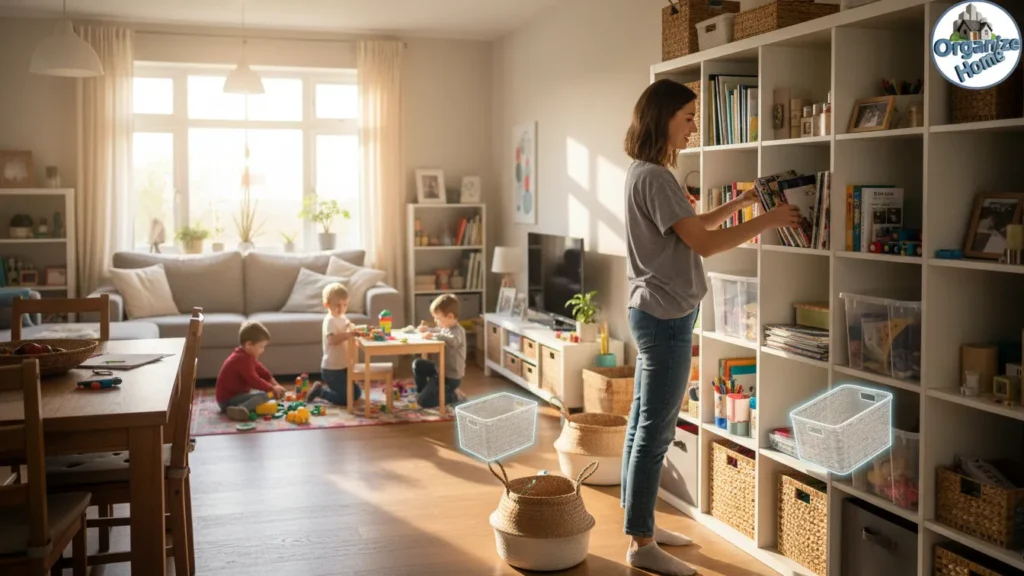
One of the biggest myths about an organized home is that it requires a large daily time investment. In reality, homes stay organized not because someone spends hours fixing them, but because organization is broken into small, low-effort actions that happen naturally throughout the day.
The key is shifting from “finding time to organize” to organizing as part of normal life. When organization only happens during long sessions, it competes with rest, work, and family time. When it’s woven into daily flow, it barely feels like an extra task.
Keeping your home organized without spending hours starts with focusing on maintenance, not improvement. You are not trying to make spaces better every day — you are simply keeping them from getting worse. Returning items to their place, resetting a surface after use, or doing a quick visual scan of a room takes minutes, not hours.
Another important factor is reducing friction. If putting things away feels difficult, slow, or annoying, it won’t happen consistently. Simple systems — clear zones, obvious homes for items, and easy access — make daily organization faster by default. The easier it is to put something away, the more likely it is to happen automatically.
Daily organization also works best when expectations are realistic. Not every room needs attention every day, and not every item needs perfect placement. Small efforts done consistently are far more effective than occasional bursts of motivation.
When organization is light, flexible, and spread across the day, your home stays functional without demanding large blocks of time — and that’s what makes it sustainable long term.
The Role of Small Resets in Daily Home Organization
Small resets are one of the most powerful — and most underestimated — elements of daily home organization. They work because they restore order quickly, without requiring a full organizing session, and they fit naturally into everyday life.
A small reset is simply the act of bringing a space back to its baseline state. That might mean returning items to their homes, clearing a surface, or straightening a small zone. These resets don’t aim to improve or reorganize a space — they just prevent it from drifting into chaos.
What makes small resets so effective is timing. They happen before mess becomes overwhelming. Instead of waiting until a room feels out of control, a small reset keeps things manageable. This reduces both physical clutter and mental resistance, making organization feel lighter and less stressful.
Small resets also remove the need for motivation. Because they are quick and limited in scope, they don’t trigger procrastination. Resetting a coffee table, an entryway surface, or a single drawer takes only a few minutes, but it creates an immediate sense of order.
Another benefit of small resets is that they support consistency. You don’t need to reset everything every day. Even one or two small resets keep your home closer to organized than doing nothing at all. Over time, these small actions add up, reducing the need for major organizing sessions.
In daily home organization, small resets are what keep the system alive. They act as gentle check-ins that protect your home from constant mess — without demanding extra time or energy.
👉 Nightly Home Reset: How to Stay Organized Every Day
How to Create a Daily Organization Flow That Fits Your Life
A daily organization flow is not a strict routine with fixed steps and times. It’s a flexible sequence of small actions that naturally fit into how you already live. The goal is not to copy someone else’s system, but to create a rhythm that works with your energy levels, schedule, and household dynamics.
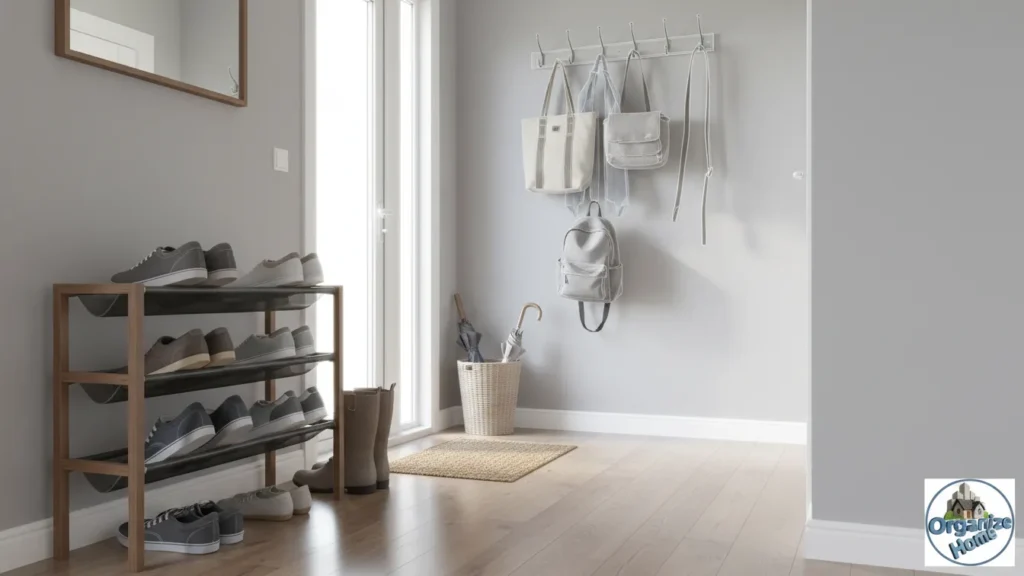
The first step is observing your day. Notice where clutter tends to appear and at what moments things usually get out of place. These transition points — coming home, finishing meals, ending the day — are ideal anchors for organization. Instead of adding new tasks, you simply attach small organizing actions to moments that already exist.
A daily organization flow should also respect your capacity. Some days allow for more resets, others for very little. A good flow adapts without breaking. Even one quick reset can keep the system moving forward, which prevents the all-or-nothing mindset that often leads to overwhelm.
Another important element is simplicity. The flow should feel obvious, not forced. If you constantly have to remind yourself to follow it, it’s probably too complicated. The best daily organization flows are almost invisible — they blend into normal life.
When your organization flow matches your real life instead of an ideal version of it, consistency becomes easier. And consistency, not perfection, is what keeps a home organized long term.
Why Your Home Feels Messy Even When You “Organize”
Many people feel frustrated because they do organize — yet their home still feels messy most of the time. This usually isn’t a motivation problem or a lack of effort. It’s a mismatch between what organization is happening and what the home actually needs on a daily basis.
One common reason is that organization is happening in isolated bursts instead of as ongoing maintenance. Organizing a drawer, a closet, or a room once feels productive, but if daily habits don’t support that structure, disorder quickly returns. Without daily organization, even well-organized spaces lose function over time.
Another issue is organizing without clear “homes” for items. If objects don’t have obvious, easy-to-reach places, they tend to stay out — even after an organizing session. The result is a home that technically has systems, but doesn’t support real-life use. When putting something away feels harder than leaving it out, mess becomes the default.
Homes also feel messy when organization focuses too much on projects instead of flow. A space can look organized after a session but still disrupt daily routines. When systems don’t match how people move, use, and live in a home, clutter reappears quickly — not because the system is bad, but because it isn’t practical.
Finally, many homes feel messy because expectations are unrealistic. Daily life creates movement and visual change. A lived-in home will never look “finished” all the time. Daily home organization isn’t about eliminating mess completely — it’s about keeping it manageable and short-lived.
When organization supports daily behavior, not just appearance, the home starts to feel calmer — even on busy, imperfect days.
👉 Daily Organization Checklist (Simple & Flexible)
Daily Organization for Busy Homes With Limited Time
Busy homes don’t fail at organization because of laziness or lack of care. They struggle because time, energy, and attention are constantly divided. Daily home organization for busy households works best when it respects those limits instead of fighting them.
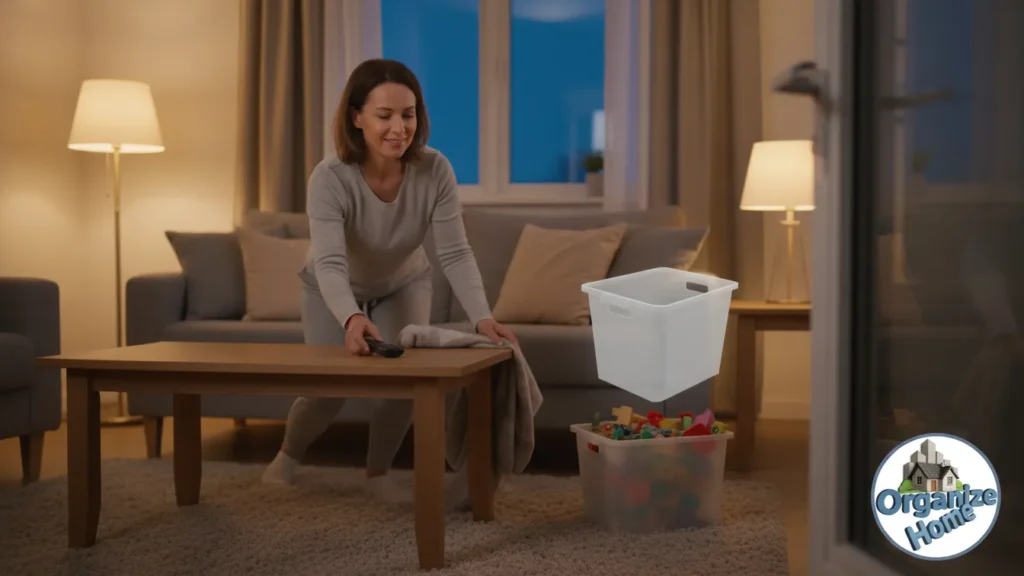
The most important shift is moving away from the idea that organization requires “finding extra time.” In busy homes, extra time rarely exists. Daily organization succeeds when it fits into moments that are already happening — quick transitions, natural pauses, and end-of-activity resets.
For homes with limited time, organization must be fast and forgiving. That means prioritizing the areas that affect daily life the most, such as entry points, shared surfaces, and frequently used items. When these spaces are kept functional, the home feels more organized overall, even if other areas aren’t perfect.
Another key principle is lowering the bar. Busy homes don’t need perfect systems — they need easy ones. If a system requires multiple steps or careful handling, it won’t survive a hectic schedule. Simple placement, open storage, and obvious homes for items reduce friction and speed up daily resets.
Daily organization in busy homes is also about flexibility. Some days allow for a few resets, others only for one. Both count. Consistency comes from doing something regularly, not from doing everything.
When organization adapts to limited time instead of demanding more of it, it becomes sustainable. The home stays functional, stress decreases, and organization supports daily life instead of competing with it.
How to Maintain Organization Without Perfection
One of the biggest obstacles to daily home organization is the belief that things need to be done the right way — or not at all. This mindset quietly undermines consistency. When organization depends on perfection, it becomes fragile. Daily organization works best when it’s good enough, flexible, and forgiving.
A home does not need to look finished to be functional. Maintenance is not about creating ideal spaces every day, but about keeping systems usable. Putting most items back, even if not perfectly aligned, still prevents clutter from spreading. Progress matters more than precision.
Perfectionism also increases mental resistance. If resetting a space feels like a performance or a standard to meet, it’s more likely to be avoided altogether. Daily home organization thrives when expectations are intentionally lowered. Quick resets, partial tidying, and “close enough” solutions keep momentum alive.
Another important shift is accepting fluctuation. Some days will feel organized, others chaotic. This does not mean the system is failing — it means life is happening. A sustainable organization approach anticipates these ups and downs and leaves room to recover without guilt.
Maintaining organization without perfection allows habits to stick long term. When the goal is functionality instead of flawlessness, daily organization becomes lighter, more realistic, and far easier to maintain — even on the most unpredictable days.
👉 Why Your Home Gets Messy So Fast (And How to Fix It)
The Best Times of Day to Do Quick Organization Resets
Quick organization resets work best when they align with the natural rhythm of the day. Instead of forcing organization into random moments, daily home organization becomes easier when resets happen at natural transition points — times when one activity ends and another begins.
One of the most effective moments is after leaving a room. Before moving on, taking a minute to return items to their place keeps mess from traveling throughout the house. This kind of reset is small, almost invisible, but it prevents clutter from spreading.
Another ideal time is after meals or shared activities. These moments tend to generate the most mess, especially in busy homes. A quick reset right after use restores order while everything is still fresh, rather than allowing clutter to sit and feel heavier later.
The end of the day is also a powerful reset point. This doesn’t mean organizing the entire house — just restoring key areas so the next day starts from a calmer baseline. Even a five-minute reset can make a noticeable difference.
Some people also benefit from micro-resets during low-energy moments, such as waiting for something or transitioning between tasks. These resets are optional, not mandatory, and should never feel forced.
By choosing the right moments, daily organization becomes more automatic and less exhausting. The timing does the work for you — not extra effort.
How Daily Organization Reduces Overwhelm at Home
Overwhelm at home is rarely caused by one big mess. It usually comes from the constant visual and mental noise created when things are out of place and unfinished. Daily home organization reduces overwhelm because it keeps that noise from building up in the first place.
When clutter accumulates, the brain interprets it as a long list of undone tasks. Every pile, surface, or scattered item becomes a reminder of something that needs attention. Even if nothing urgent is happening, the home can feel heavy and stressful. Daily organization interrupts this cycle by resolving small signals of disorder before they turn into mental clutter.
Another reason daily organization reduces overwhelm is that it restores a sense of control. Large organizing projects often feel intimidating because they require time, energy, and decision-making all at once. Daily organization replaces that pressure with small, achievable actions. Completing a quick reset provides an immediate sense of progress, which helps lower stress levels.
Daily organization also limits decision fatigue. When items have clear homes and routines are simple, fewer choices are required throughout the day. This frees up mental energy for more important things, making the home feel supportive rather than demanding.
Most importantly, daily organization creates a predictable baseline. Even when life feels chaotic, knowing that your space can be reset quickly reduces anxiety. The home no longer feels like another problem to solve — it becomes a place that helps you recover instead of adding to the overwhelm.
👉 How to Build a Daily Organization Habit That Sticks
Common Daily Organization Mistakes That Create More Mess
Many daily organization efforts fail not because people aren’t trying, but because small, habitual mistakes quietly undo their progress. These mistakes are easy to overlook because they often feel harmless in the moment, yet over time they create more mess instead of less.
One common mistake is postponing resets. Putting something down “just for now” with the intention of dealing with it later often leads to clutter piles that feel harder to tackle. The longer items stay out of place, the more mental resistance builds around fixing them.
Another frequent issue is over-organizing during daily routines. Daily organization is not the time to redesign systems, rearrange storage, or make big decisions. When daily resets turn into mini projects, they become exhausting — and eventually get skipped altogether.
Many homes also struggle because of unclear item homes. If it’s not obvious where something belongs, it won’t get put away consistently. This leads to repeated surface clutter, even in homes that feel “organized” on paper.
Perfectionism is another hidden trap. Waiting for the “right moment,” enough energy, or ideal conditions often results in no action at all. Daily organization should tolerate imperfect effort. A partial reset is far better than none.
Finally, trying to do too much every day can backfire. Daily organization works best when it stays light and focused. Overloading routines with too many tasks increases friction and makes habits harder to sustain.
Avoiding these common mistakes keeps daily organization supportive rather than stressful — and helps your home stay consistently manageable instead of constantly messy.
How to Stay Organized When Life Is Unpredictable
Life rarely follows a neat schedule. Illness, work deadlines, family needs, travel, and unexpected events can quickly disrupt even the best routines. Daily home organization remains effective in unpredictable seasons because it is flexible by design, not dependent on ideal conditions.
The most important adjustment during unpredictable periods is simplifying expectations. Organization doesn’t need to stop — it just needs to scale down. Instead of trying to maintain every habit, focus on the few actions that keep daily life functional, such as clearing key surfaces or returning frequently used items to their place.
Another helpful strategy is protecting a small “baseline.” This might be the kitchen counter, the entryway, or one shared space that affects daily flow. Keeping just one or two areas reset provides a sense of control, even when everything else feels unsettled.
Daily organization during unpredictable times also benefits from letting go of rigid timing. Some days might allow for a quick reset, others for none at all. The goal isn’t consistency in when you organize, but consistency in returning to the habit when you can.
Most importantly, daily home organization should support recovery, not create pressure. When life feels unstable, the home should feel forgiving. Small efforts, done when possible, keep spaces livable without adding stress — and make it easier to regain rhythm once things settle again.
Daily Home Organization for Families and Shared Homes
Daily home organization looks different in families and shared homes because more people means more movement, more items, and more chances for mess. The goal isn’t controlling behavior — it’s creating systems that work even when everyone doesn’t organize the same way.
One of the most important principles in shared spaces is simplicity. Systems need to be easy enough that anyone can use them without instructions. Clear zones, obvious item homes, and minimal steps make it more likely that everyone participates — even unintentionally.
Another key factor is focusing on shared responsibility, not equal effort. Not everyone will organize at the same level or notice the same things, and that’s normal. Daily organization works best when expectations are realistic and centered on keeping spaces functional, not perfectly maintained.
Families and shared homes also benefit from frequent, small resets instead of large organizing sessions. Quick resets of common areas help contain mess and prevent tension from building around clutter.
Most importantly, daily home organization in shared homes should reduce friction, not create it. When systems support daily life and tolerate variation, the home stays livable — even with different habits, schedules, and personalities under the same roof.
How to Make Daily Organization Feel Automatic
Daily home organization becomes truly sustainable when it stops feeling like a task and starts feeling automatic. This doesn’t happen through discipline or motivation, but through repetition, simplicity, and alignment with daily behavior.
The first step toward making organization automatic is reducing the number of decisions involved. When items have clear, obvious homes, the brain doesn’t need to pause and think. The action of putting something away becomes a reflex instead of a choice. Fewer decisions mean less resistance.
Another important factor is repetition in consistent contexts. Doing the same small organizing actions in the same situations — leaving a room, finishing an activity, ending the day — trains the brain to associate those moments with a reset. Over time, the action happens without conscious effort.
Automation also depends on keeping the effort level low. If daily organization requires energy, planning, or setup, it won’t become automatic. When actions are quick and easy, they slip naturally into daily flow. This is why small resets are more powerful than long routines.
Finally, daily organization feels automatic when it’s emotionally neutral. There’s no pressure to do it perfectly and no guilt when it doesn’t happen. The habit exists as a default option, not an obligation.
When daily organization reaches this point, it no longer feels like something you have to remember to do. It simply becomes part of how you move through your home — quietly maintaining order without effort or stress.
Building a Sustainable Daily Home Organization Routine
A sustainable daily home organization routine is not built through intensity or strict discipline. It’s built through alignment with real life, realistic expectations, and systems that support consistency over time. The goal is not to organize perfectly every day, but to create a rhythm that your home — and your energy — can sustain.
Sustainability starts with keeping the routine light. Daily organization should feel supportive, not demanding. When routines require too much effort, they break during busy or low-energy periods. A sustainable routine survives those moments because it is flexible by design. Even the smallest reset keeps the habit alive.
Another essential element is repetition without rigidity. A sustainable routine relies on familiar actions done often, not on detailed steps done occasionally. Returning items to their homes, resetting key areas, and maintaining simple systems create a stable baseline that’s easy to return to — even after disruptions.
Sustainable organization also depends on emotional neutrality. There is no guilt when things slip and no pressure to “catch up.” The routine is always available as a reset point, not a standard to live up to. This mindset is what allows daily organization to continue long term.
When daily home organization is sustainable, it stops feeling like something you manage — and starts feeling like something that quietly supports your life. The home becomes easier to reset, easier to maintain, and easier to live in, day after day.