

Simple Organization Systems That Work in Real Life
Many organization systems fail not because people don’t want to stay organized, but because the systems themselves are not designed for real life. They assume stable routines, high energy, and consistent attention. In contrast, simple organization systems that truly work are built around everyday reality — busy schedules, fluctuating motivation, and imperfect days. Their strength lies not in complexity, but in usability.
Real-life organization systems work because they reduce effort instead of increasing it. They don’t ask people to remember multiple rules, follow strict sequences, or maintain precision. Instead, they make the organized choice the easiest one. When a system aligns with natural behavior, it stops feeling like a system at all and starts functioning as background support.
One defining feature of simple organization systems is clarity. Every item has an obvious place, and that place makes sense in the context of daily use. There are no competing categories or unclear decisions. This clarity eliminates hesitation, which is one of the main reasons clutter forms. When people know instantly where something belongs, they are far more likely to put it away.
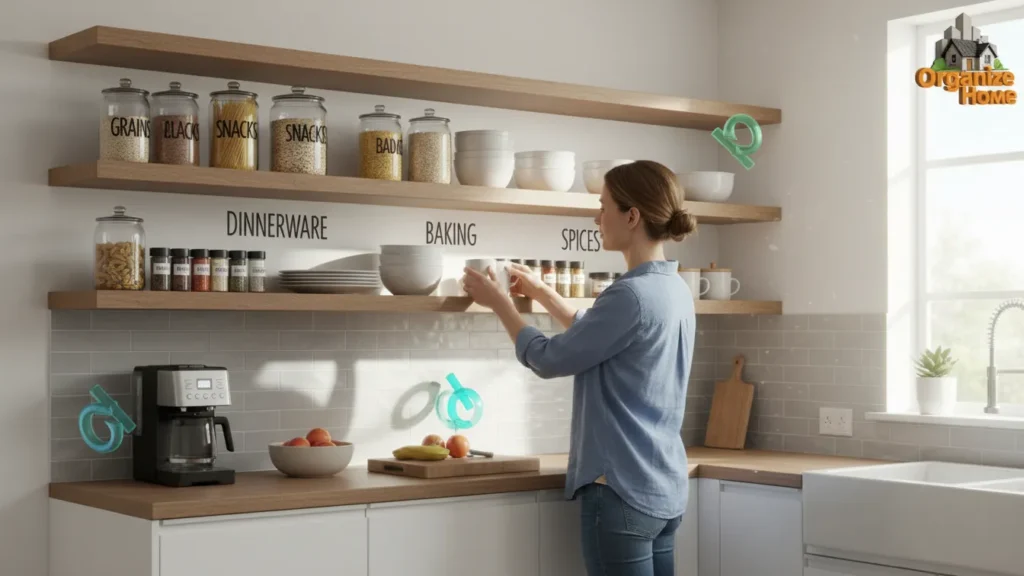
Another critical aspect is low maintenance. Systems that require frequent resets or constant adjustment do not survive long-term. Simple systems are designed to tolerate small deviations. If an item is returned later than planned or placed slightly out of order, the system still holds. This tolerance is essential for real life, where perfect execution is unrealistic.
Simple systems also work because they respect limited time and energy. On busy days, people default to speed and convenience. Systems that demand extra steps or additional movement are bypassed. Effective systems minimize distance, reduce steps, and remove unnecessary barriers. Returning an item takes seconds, not minutes, which allows organization to continue even under pressure.
Another reason these systems succeed is that they scale naturally. As life changes, simple systems can be adjusted without being rebuilt. Categories can be broadened, locations shifted slightly, or capacity tweaked without disrupting the entire structure. This adaptability keeps systems relevant over time and prevents the cycle of repeated reorganization.
Importantly, simple organization systems do not rely on motivation. They function even when energy is low because they are built on ease, not willpower. This makes them consistent. Consistency, not intensity, is what keeps a home organized long-term.
Ultimately, simple organization systems work in real life because they are designed for humans, not ideals. They accept imperfection, prioritize ease, and support daily behavior instead of fighting it. When systems are simple enough to survive real conditions, organization stops feeling fragile and starts becoming reliable — and that reliability is what makes them truly effective.

Why Simple Organization Systems Are More Effective
Simple organization systems are more effective because they align with how people actually think, move, and make decisions throughout the day. Organization breaks down not from lack of intention, but from excess friction. The more effort a system demands, the less likely it is to be used consistently. Simple organization systems succeed because they remove barriers instead of adding them.
One major advantage of simplicity is reduced cognitive load. Complex systems require remembering rules, categories, and sequences. Each interaction becomes a small mental task. Over time, this drains energy and leads to avoidance. Simple systems minimize thinking. When categories are broad and placement is intuitive, the brain doesn’t need to stop and decide. Action happens automatically, which is exactly how habits are formed and sustained.
Another reason simple systems are more effective is speed. Organization that is quick is organization that happens. When returning an item takes only a few seconds, there is little resistance. In contrast, systems that require sorting, opening multiple containers, or moving between spaces slow behavior down. On busy days, slow systems are skipped entirely. Simple systems survive because they work even when time is limited.
Simple systems are also more forgiving. They don’t rely on perfect execution to remain functional. Small lapses don’t cause collapse. An item returned later, a drawer that isn’t perfectly arranged, or a category that overflows slightly doesn’t break the system. This tolerance is critical for real life, where consistency matters more than precision.
Effectiveness also comes from adaptability. Simple organization systems can be adjusted easily as needs change. Adding or removing items doesn’t require redesigning everything. This flexibility prevents repeated overhauls, which waste time and erode trust in organization.
Ultimately, simple systems are effective because they prioritize usability over appearance. They work quietly in the background, reducing effort instead of demanding it. When organization is easy to use, it is used more often — and that consistent use is what makes simple systems outperform complex ones over time.
The Difference Between Simple and Minimal Systems
Simple organization systems are often confused with minimal systems, but they are not the same. Understanding this difference is essential when building simple organization systems that actually work in everyday life. While both approaches value reduction, they serve different purposes and lead to very different outcomes if misunderstood.
Minimal systems focus on owning less. Their goal is to reduce quantity, often aggressively, until only essential items remain. This approach can be effective for some people, but it assumes a willingness and ability to let go of possessions. Simple systems, on the other hand, focus on usability. They work with what people already own and prioritize ease of use over reduction.
A minimal system may look clean and spacious, but if it requires constant restraint or emotional effort to maintain, it can become stressful. Simple systems avoid this trap by removing friction rather than items. They reduce steps, decisions, and rules so that daily behavior flows naturally, even when life is busy.
Another key difference lies in flexibility. Minimal systems tend to be rigid by nature: once items are reduced, there is little room for variation. Simple systems are adaptable. They allow categories to expand slightly, storage to flex, and behavior to vary without breaking the structure. This flexibility is what allows simple organization systems to survive real-life changes.
Simple systems also place less pressure on identity. Minimalism often implies a lifestyle choice that not everyone identifies with. Simple organization does not require adopting a philosophy; it only requires designing systems that are easy to use. This makes simple systems accessible to a wider range of people and households.
Ultimately, the goal of simple systems is not to have less, but to manage what exists with less effort. When the distinction between simple and minimal is clear, organization becomes more inclusive, realistic, and sustainable — supporting daily life instead of reshaping it entirely.
👉 Simple & Time-Saving Organization

How Simple Systems Reduce Daily Friction
Daily friction is the quiet force that breaks most organization systems. It appears in small moments — when returning an item feels inconvenient, when a decision takes too long, or when a system requires extra steps. Over time, these small resistances accumulate into clutter and avoidance. Simple organization systems reduce daily friction by removing the obstacles that slow behavior down.
Friction often comes from complexity. Too many categories, unclear placement, or storage that is hard to access all add micro-delays to everyday actions. Each delay creates a moment of hesitation. In busy life, hesitation usually leads to postponement, and postponement leads to clutter. Simple systems prevent this chain reaction by making actions immediate and obvious.
One way simple systems reduce friction is through proximity. Items are stored close to where they are used, not where they “should” go according to logic alone. When the return path is short, behavior happens naturally. Walking across the house or opening multiple containers may seem minor, but repeated dozens of times, it becomes enough resistance to stop follow-through.
Another friction reducer is broad categorization. Narrow categories require thinking and sorting. Broad categories allow fast decisions. When there’s no need to decide between similar options, the brain stays out of the way, and action happens faster. This is a key reason simple organization systems feel effortless compared to complex ones.
Simple systems also reduce friction by tolerating imperfection. If a system collapses when it’s not followed perfectly, people avoid interacting with it. When small deviations don’t cause failure, engagement stays high. The system remains usable even when life is hectic.
Ultimately, reducing daily friction is what allows organization to sustain itself. Simple systems succeed not because people are more disciplined, but because the systems remove resistance at every step. When friction is low, organization happens by default — quietly, consistently, and with far less effort.
Designing Systems That Require Less Thinking
One of the most powerful advantages of simple organization systems is that they reduce how much thinking is required during everyday use. Thinking may seem minor in isolation, but repeated decisions throughout the day quickly drain mental energy. When organization demands frequent judgment calls, it becomes one more cognitive burden competing with work, family, and daily responsibilities.
Systems that require less thinking rely on obvious outcomes. When the correct action is clear, the brain doesn’t need to pause. Items have a single, intuitive home rather than multiple possible destinations. Categories are broad enough that decisions are quick and confident. This clarity allows organization to happen automatically instead of deliberately.
A major source of unnecessary thinking is over-specificity. Systems with many narrow categories force people to evaluate subtle differences each time they put something away. These micro-decisions slow behavior and increase the chance of postponement. Simple systems eliminate this friction by accepting “good enough” placement. If an item belongs broadly, it belongs — no extra analysis required.
Another way simple systems reduce thinking is through consistency. When similar items are handled in the same way across the home, patterns form. The brain learns these patterns and follows them without conscious effort. Over time, behavior becomes habitual, which is the ultimate goal of simple organization systems.
Reducing thinking also improves resilience. On busy or low-energy days, complex systems break down because they rely on attention. Simple systems continue working because they don’t require it. Even when focus is limited, the path of least resistance remains organized.
Ultimately, designing systems that require less thinking respects how the brain actually works. Organization succeeds not when people think more, but when they are asked to think less. By minimizing decisions and making outcomes obvious, simple organization systems support consistency, save time, and remain usable under real-life conditions.
👉 Low-Effort Organization Habits

When Fewer Categories Create Better Organization
One of the most effective ways simple organization systems succeed is by using fewer categories instead of more. While it may feel intuitive to create many detailed categories to achieve control, excessive categorization often produces the opposite effect. More categories mean more decisions, more maintenance, and more opportunities for hesitation — all of which slow behavior and weaken consistency.
Fewer categories simplify decision-making. When items clearly belong to one broad group, the brain doesn’t need to pause and evaluate options. This speed matters. Organization that happens quickly is far more likely to happen consistently, especially on busy or low-energy days. When categorization is simple, returning items becomes an automatic action rather than a thoughtful one.
Another benefit of fewer categories is flexibility. Narrow categories fill up quickly and require frequent rebalancing. When a category becomes overcrowded, the system feels broken, even if everything is technically in the right place. Broad categories can absorb variation without collapsing. They stretch and contract naturally as needs change, which is essential for real-life use.
Fewer categories also reduce maintenance. Detailed systems require regular sorting to keep items perfectly aligned. Simple systems tolerate small shifts without demanding correction. This tolerance keeps people engaged with the system instead of avoiding it due to perceived effort.
There’s also a psychological advantage. When categories are too specific, people fear “doing it wrong,” which leads to avoidance. Broad categories remove that fear. If placement doesn’t have to be exact, action feels safer and easier. This emotional ease reinforces use and supports habit formation.
Ultimately, fewer categories create better organization because they prioritize usability over precision. Simple organization systems work not by controlling every detail, but by supporting fast, confident decisions. When categorization is reduced to what truly matters, organization becomes easier to maintain, more resilient, and far more effective over time.
Simple Systems That Survive Busy Days
Busy days are the true test of any organization approach. When time is short and energy is low, even well-designed systems can fail if they depend on careful attention or extra effort. Simple organization systems survive busy days because they are built to function under pressure, not just in calm moments.
On busy days, behavior defaults to speed and convenience. Simple systems anticipate this by making the fastest option the organized one. Storage is close, access is immediate, and return paths are obvious. When putting something away takes only a few seconds, it still happens—even when attention is divided. Systems that require multiple steps or precise placement are quietly bypassed.
Another reason simple systems hold up is that they allow partial success. Busy days rarely allow full resets, so systems must still “work” when only minimal actions are taken. Returning one item, clearing one surface, or placing something in a broad category keeps the system alive. This prevents small lapses from compounding into visible clutter that demands more time later.
Tolerance is also key. Simple systems don’t collapse when they’re used imperfectly. A drawer that isn’t neatly arranged or a bin that’s slightly overfilled doesn’t break the system. This forgiveness keeps engagement high and avoids the all-or-nothing thinking that leads to abandonment.
Ultimately, simple organization systems survive busy days because they respect reality. They reduce steps, lower expectations, and prioritize ease over precision. When systems are designed to function on the hardest days, they become reliable on all the others—and that reliability is what makes organization sustainable over time.
👉 Time-Saving Organization Tips
Avoiding Over-Engineering Organization Systems
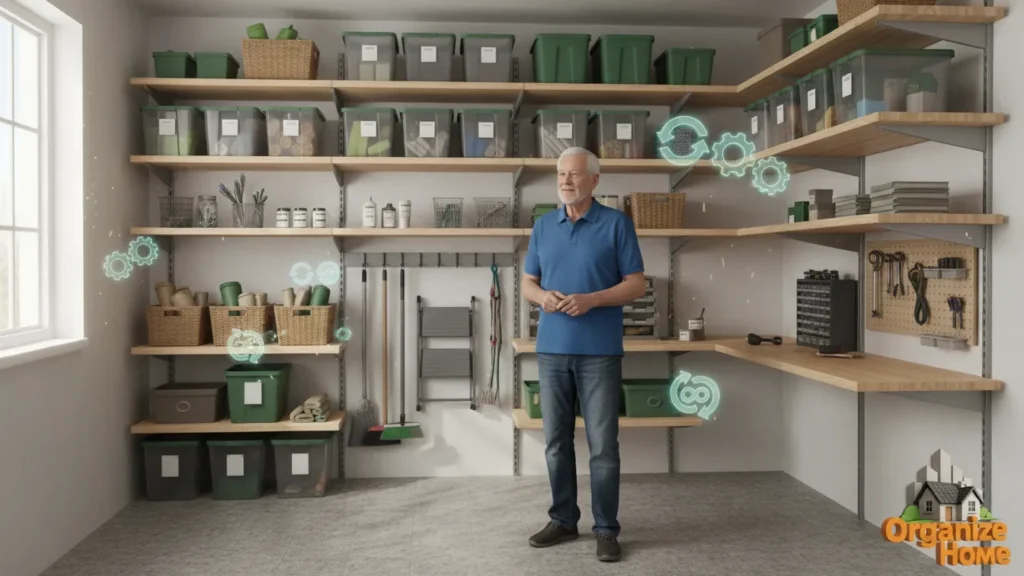
One of the most common reasons organization systems fail is over-engineering. Over-engineering happens when systems are built with too many rules, steps, categories, or “smart” solutions that look impressive but don’t hold up in daily life. For simple organization systems, avoiding this trap is essential to keeping organization usable, fast, and sustainable.
Over-engineered systems usually start with good intentions. People want to anticipate every scenario, create perfect categories, and design a system that covers every possible situation. The problem is that real life rarely follows those scenarios. When a system requires remembering rules, making frequent adjustments, or following a specific order of actions, it demands attention that busy people don’t have.
Another issue with over-engineering is fragility. The more complex a system becomes, the more points of failure it has. One skipped step, one overflowing category, or one change in routine can disrupt the entire structure. When this happens repeatedly, people stop trusting the system and begin working around it instead of with it.
Over-engineering also increases mental resistance. When organization feels complicated, people hesitate before interacting with it. That hesitation leads to postponement, and postponement leads to clutter. Simple systems avoid this by prioritizing ease of use over completeness. They solve the most common problems well instead of trying to solve every possible one.
Avoiding over-engineering means intentionally stopping sooner. Fewer categories, fewer rules, and fewer steps create systems that are easier to remember and faster to use. Broad solutions outperform precise ones because they leave room for variation without breaking.
Ultimately, simple organization systems work best when they are designed to be “good enough” rather than perfect. When systems are light, flexible, and intuitive, they invite consistent use. By resisting the urge to over-engineer, organization becomes easier to maintain—and far more likely to last in real life.
How Simple Systems Support Consistent Habits
Consistent habits are the real engine behind lasting organization, and simple organization systems are uniquely effective at supporting them. Habits form when actions are easy to repeat, predictable, and low-effort. When systems are simple, they remove the barriers that interrupt repetition, allowing organized behavior to happen naturally day after day.
One way simple systems support habits is by making actions obvious. When there is a clear, single place for an item, the behavior required to put it away is unambiguous. There’s no pause to decide, no second-guessing, and no need to remember rules. This clarity helps behaviors repeat automatically, which is the foundation of habit formation.
Simple systems also reduce the effort threshold required to act. Habits weaken when they demand too much energy or attention. Complex systems ask people to be precise, patient, and consistent even when they’re tired or rushed. Simple systems accept variability. They allow items to be returned quickly and imperfectly without breaking the structure. This tolerance keeps habits intact even on difficult days.
Another key factor is feedback. Simple systems provide immediate, positive feedback because they work quickly. Putting something away takes seconds, and the result is visible right away. This reinforces the behavior and increases the likelihood it will be repeated. When organization feels rewarding instead of draining, habits strengthen naturally.
Consistency also depends on trust. People are more likely to engage with systems they trust to work without hassle. When a system is simple and reliable, it earns that trust. Over time, interacting with the system becomes part of normal behavior rather than a conscious task.
Ultimately, simple organization systems don’t force habits—they enable them. By reducing effort, removing confusion, and allowing flexibility, they create the conditions where consistent habits can form and survive. When systems support habits instead of demanding discipline, organization becomes stable, repeatable, and sustainable over the long term.

Adjusting Simple Systems Without Rebuilding Them
One of the greatest strengths of simple organization systems is how easily they can be adjusted without starting from scratch. Many people assume that when a system stops working perfectly, it must be torn down and rebuilt. In reality, systems rarely need replacement — they need refinement. Simple systems are designed to evolve with minimal effort.
Adjustment becomes necessary when life changes. New items enter the home, routines shift, or priorities change. In complex systems, these changes create pressure. Categories overflow, rules break, and the system feels “wrong.” Simple systems respond differently. Because they rely on broad categories and low friction, small tweaks are enough to restore alignment.
Adjusting a simple system usually means changing one variable at a time. This might involve moving a category closer to where it’s used, widening a category instead of splitting it, or reducing how full a space is allowed to become. These adjustments take minutes, not hours, and preserve what already works.
Another advantage is emotional ease. When systems are simple, people don’t feel attached to a “perfect” setup. This makes change feel safe instead of discouraging. There’s no sense of failure in adjusting a system — it’s expected. This mindset prevents abandonment and keeps engagement high.
Simple systems also make problems more visible. When something stops working, the cause is usually obvious: too many items, too much distance, or too much thinking required. Because the structure is clear, the fix is clear as well. There’s no need to redesign everything to solve one friction point.
Ultimately, simple organization systems succeed because they are flexible by design. They don’t demand loyalty to a fixed setup. They invite small, frequent adjustments that keep the system relevant. This adaptability saves time, reduces frustration, and allows organization to grow with real life instead of constantly restarting from zero.
Common Mistakes That Break Simple Systems
Even simple organization systems can fail when certain mistakes quietly undermine them. These systems are resilient by design, but they are not immune to habits and decisions that introduce friction over time. Understanding what breaks simple systems is just as important as knowing how to build them.
One common mistake is gradually adding complexity back in. A system starts simple, but over time, extra categories, rules, or containers are introduced “just to improve it.” Each addition may seem harmless, but together they recreate the same friction the system was meant to eliminate. When simplicity is lost, use drops, and the system weakens.
Another frequent issue is ignoring capacity limits. Simple systems rely on space to function smoothly. When too many items are added without adjusting limits, categories overflow, access becomes harder, and frustration grows. This isn’t a failure of simplicity, but of not respecting the system’s boundaries. Simple systems need clear limits to stay usable.
Poor placement is another mistake. Even a simple system fails if it’s placed far from where behavior naturally occurs. When returning items requires extra steps or effort, people bypass the system. Over time, items accumulate elsewhere, and the system becomes irrelevant. Proximity matters as much as structure.
Inconsistency can also break simple systems when it turns into avoidance. Simple systems tolerate imperfection, but repeated non-use eventually erodes trust. If items are rarely returned or categories are ignored, the system loses its role. This usually signals that friction has crept in and needs to be addressed.
Finally, abandoning systems instead of adjusting them is a critical mistake. When something feels off, people often give up rather than make small corrections. Simple systems are meant to be adjusted, not replaced. Abandonment resets progress and repeats the same cycle.
Ultimately, simple organization systems break not because they are weak, but because simplicity is slowly compromised. Protecting simplicity, respecting limits, and adjusting early keeps systems functional and reliable over time.

How to Maintain Simple Organization Systems Long-Term
Maintaining simple organization systems over the long term is less about effort and more about protection. Simple systems work well because they are easy to use, but that same ease can lead people to take them for granted. Long-term success depends on preserving what makes the system simple, usable, and aligned with real behavior.
One key factor is resisting unnecessary expansion. Over time, it’s tempting to add new categories, extra containers, or more detailed rules as needs evolve. While some adjustment is healthy, adding layers without removing others slowly erodes simplicity. Long-term maintenance requires a balance: when something is added, something else is often removed or simplified to keep friction low.
Another important element is light, periodic awareness. Simple systems don’t require constant maintenance, but they benefit from occasional check-ins. These moments are not about reorganizing everything, but about noticing early signs of strain — overcrowded categories, items landing outside the system, or steps that feel harder than before. Addressing small issues early prevents the need for major resets later.
Capacity management also plays a role. Simple systems function best when they have breathing room. When storage reaches its limit, usability drops. Long-term maintenance means respecting those limits and making intentional choices when capacity is exceeded. This keeps systems functional instead of overwhelming.
Consistency matters, but perfection does not. Simple systems survive because they tolerate imperfect use. Long-term success comes from continued engagement, not flawless execution. Even partial use reinforces the system and keeps it relevant.
Ultimately, simple organization systems last because they are protected from complexity, adjusted gently, and allowed to evolve without being rebuilt. When simplicity is treated as something to maintain — not something to improve endlessly — organization remains stable, efficient, and supportive over time.