

Common Organization Mistakes That Sabotage Your Home
Many people believe their home stays disorganized because they lack time, motivation, or the right tools. In reality, the problem is often rooted in common organization mistakes that quietly sabotage even the best intentions. These mistakes don’t look dramatic or obvious. In fact, most of them feel logical, well-intended, and widely accepted — which is why they’re repeated again and again.
One of the most damaging aspects of common organization mistakes is that they create the illusion of progress. You may reorganize a space, buy new containers, or follow a popular method and feel temporarily relieved. Visually, things look better. But underneath the surface, the same behaviors, assumptions, and decision patterns remain unchanged. When that happens, organization becomes fragile. It works only under ideal conditions and collapses as soon as daily life resumes.
These mistakes also sabotage the home because they focus on symptoms instead of causes. Clutter, overcrowded storage, and messy surfaces are treated as the problem, when they are actually the result. The real issue lies in how items are handled daily, how decisions are made, and how systems are used — or ignored. When solutions don’t address those foundations, the same issues return no matter how many times a space is reorganized.
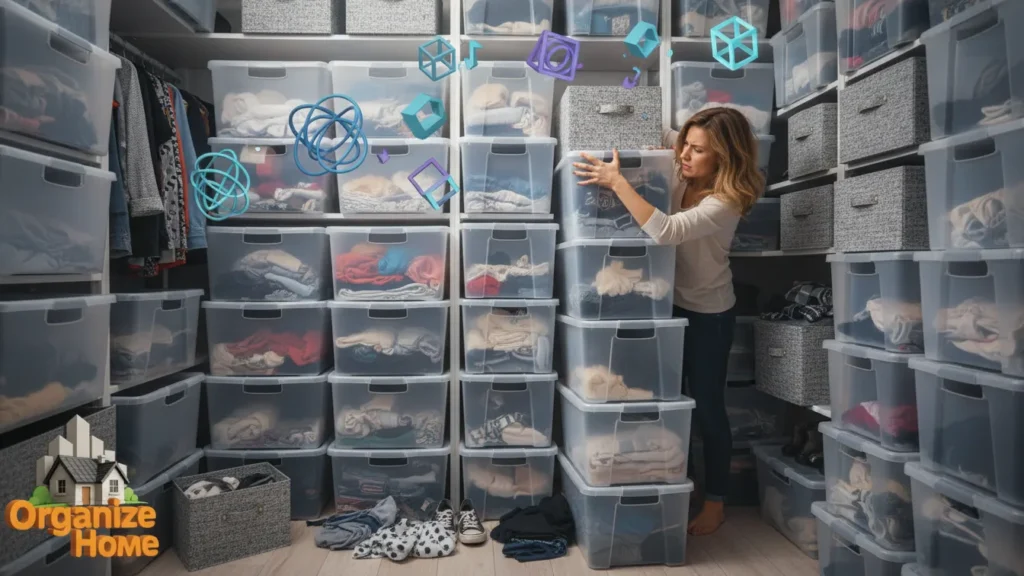
Another reason common organization mistakes are so harmful is that they’re socially reinforced. Many popular organization trends promote aesthetics, perfection, or complex systems that look impressive but don’t reflect real behavior. When these methods fail, people blame themselves rather than the mismatch between the system and daily life. This leads to frustration and the belief that organization is something they’re simply “bad at.”
These mistakes also create unnecessary pressure. When organization is treated as something that must be done perfectly or all at once, it becomes overwhelming. Instead of supporting daily life, it turns into another source of stress. This pressure increases avoidance, which then reinforces disorder — a cycle that’s difficult to break without awareness.
Perhaps the most important thing to understand is that common organization mistakes are not signs of laziness or failure. They are predictable outcomes of unrealistic expectations, incomplete systems, and habits that don’t align with real routines. Recognizing them is not about self-criticism, but about clarity.
When these mistakes are identified, organization shifts from constant correction to informed adjustment. The home stops being a project that keeps failing and starts becoming a system that evolves. Awareness of these mistakes is the first step toward organization that supports daily life instead of working against it.

Why Common Organization Mistakes Keep Repeating
One of the reasons common organization mistakes keep repeating is that they’re rarely recognized as mistakes in the first place. Many are learned behaviors, passed along through advice, trends, or observation. When a method is popular or widely recommended, it feels safe to follow — even if it doesn’t align with how a household actually functions. As a result, the same approaches are applied repeatedly, despite producing the same unsatisfying outcomes.
Another factor is the gap between intention and behavior. People often organize based on how they want to live rather than how they do live. Systems are built for ideal days, perfect routines, and unlimited energy. When real life doesn’t match those assumptions, the system fails — but the underlying belief remains unchanged. Instead of questioning the approach, the solution is often to reorganize again, reinforcing the cycle.
Repetition is also driven by short-term relief. Many common organization mistakes produce immediate visual improvement, which feels rewarding. This temporary success masks deeper issues and delays reflection. When clutter returns, it’s attributed to lack of discipline or time, not to the original mistake.
Finally, avoidance plays a role. Questioning familiar methods requires effort and uncertainty. It’s easier to repeat what’s known than to reassess assumptions. Until these patterns are consciously examined, the same mistakes continue — quietly, predictably, and persistently shaping the home.
Trying to Organize Without Changing Behavior
One of the most fundamental common organization mistakes is trying to organize physical spaces without addressing the behaviors that created the disorder in the first place. Organization is often treated as a spatial problem — something that can be solved by rearranging, sorting, or storing items differently. While these actions may improve how a space looks, they rarely change how it functions day to day.
When behavior remains the same, organization becomes temporary. Items are still placed down out of convenience, decisions are still postponed, and systems are still bypassed during busy moments. The space may look organized initially, but daily habits quietly dismantle it. This leads to a frustrating pattern: repeated organizing efforts with diminishing returns.
This mistake is reinforced by the belief that better systems will compensate for unchanged behavior. In reality, systems depend on behavior to survive. No container, label, or layout can override habits that don’t support them. When behavior and systems are misaligned, the system always loses.
Another issue is that behavior is harder to examine than space. It’s easier to reorganize a drawer than to notice patterns like avoidance, rushing, or relying on memory. Because behavior feels personal, it’s often ignored in favor of physical solutions.
Recognizing this as one of the core common organization mistakes shifts the focus. Sustainable organization doesn’t start with storage — it starts with understanding how daily actions interact with the systems meant to support them.
👉 Organization Habits & Mistakes
Overcomplicating Organization Systems
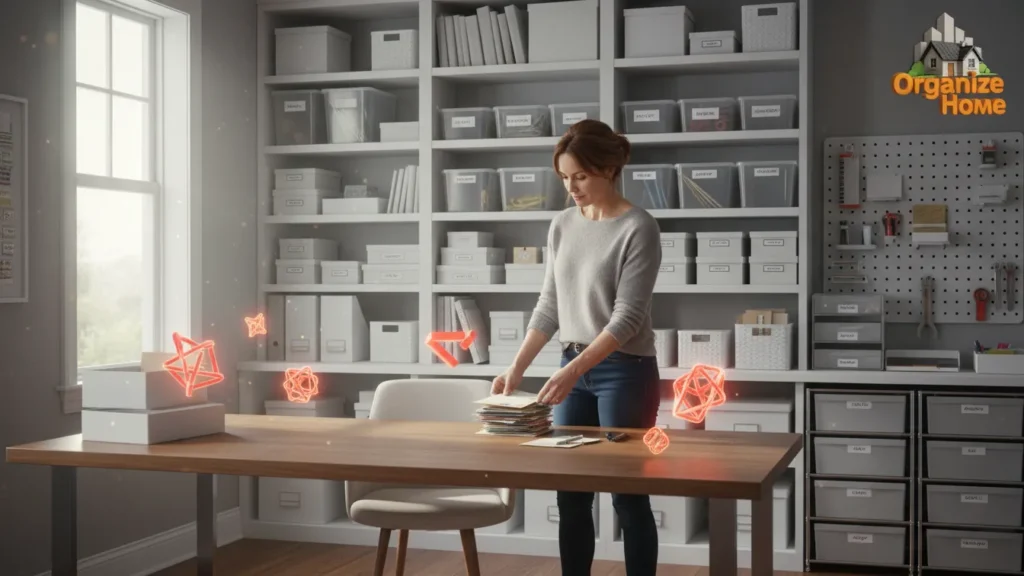
One of the most frequent common organization mistakes is overcomplicating organization systems. In an effort to “do it right,” many people create systems with too many steps, categories, or rules. While these setups may look impressive on paper or in photos, they often collapse under the pressure of real life.
Complex systems demand constant attention. They require remembering where things go, following specific sequences, and maintaining a level of consistency that is unrealistic in busy homes. When energy or time is low, these systems are the first to be abandoned. Items are placed wherever it’s easiest, and the system slowly stops being used as intended.
This mistake is often fueled by the belief that more structure equals better organization. In reality, excess structure increases friction. The more effort a system requires, the less likely it is to be followed consistently. Organization should reduce thinking, not add to it. When a system feels heavy, people subconsciously resist using it.
Overcomplicated systems also discourage maintenance. If putting something away feels tedious, it’s postponed. These postponed actions accumulate, leading to clutter that feels harder to correct than if the system had been simple from the start.
Recognizing overcomplication as one of the key common organization mistakes helps reframe success. Effective organization is not about sophistication or perfection, but about usability. Systems work best when they align with real behavior, allow flexibility, and remain easy to maintain even on difficult days.
Buying Storage Before Understanding the Problem
One of the most tempting common organization mistakes is buying storage solutions before clearly understanding what problem needs to be solved. Shelves, bins, boxes, and containers promise instant relief, and it’s easy to believe that more storage will automatically lead to better organization. In reality, storage often treats the symptom rather than the cause.
When storage is purchased too early, it tends to accommodate existing habits instead of improving them. Items are simply redistributed into new containers without questioning why they accumulate or how they’re used. This creates a sense of progress without addressing the underlying behavior that led to clutter in the first place.
Another issue is mismatch. Without understanding daily routines, storage is often chosen based on appearance or convenience rather than function. Containers may be the wrong size, placed in impractical locations, or require extra effort to maintain. When storage doesn’t support real behavior, it quickly becomes ignored or misused.
This mistake also reinforces accumulation. New storage creates space, and empty space invites more items. Without clear limits, storage expands and fills repeatedly, masking the real issue and delaying meaningful change.
Recognizing this as one of the common organization mistakes helps shift focus. Effective organization begins with clarity — understanding habits, needs, and pain points — before choosing tools. Storage should support decisions already made, not replace them.
Organizing for Looks Instead of Daily Use
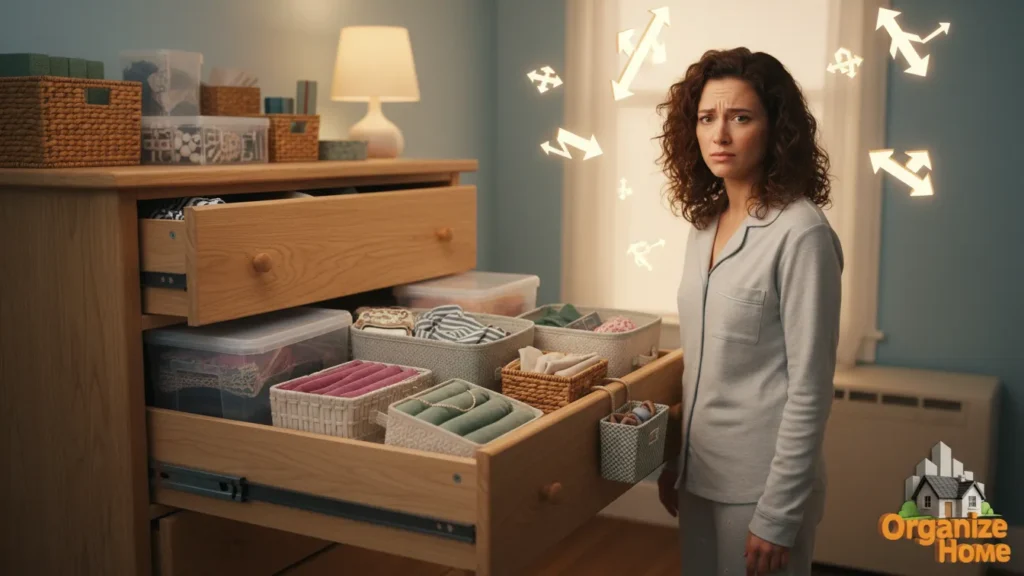
One of the more subtle common organization mistakes is organizing spaces primarily for how they look rather than how they are actually used. A home can appear tidy and visually pleasing while still being difficult to maintain. When organization prioritizes aesthetics over function, it often fails the moment daily life resumes.
This mistake is heavily influenced by images of perfectly styled homes, where every item is hidden, color-coordinated, and symmetrical. While these spaces look appealing, they don’t always reflect real behavior. When systems are designed to look good instead of to support daily routines, they require constant correction to maintain their appearance.
Organizing for looks also increases friction. If accessing or returning items disrupts the visual order, people naturally avoid doing it. Items end up placed elsewhere, creating clutter in more visible and inconvenient areas. Over time, the space feels harder to use, even if it looks “organized.”
Another consequence is frustration. When a system looks perfect but doesn’t function well, it creates the impression of failure. People blame themselves rather than the design, reinforcing the belief that organization is unsustainable.
Understanding this as one of the common organization mistakes encourages a shift in priorities. Organization works best when it supports daily use first and appearance second. When systems align with how a home is actually lived in, they require less effort and are far more likely to last.
Creating Systems That Don’t Match Real Life
One of the most damaging common organization mistakes is creating systems that don’t match how life actually happens inside the home. These systems are often built around ideal conditions — calm mornings, uninterrupted routines, and consistent energy levels. While they may work briefly, they quickly collapse when real-life demands take over.
This mistake usually comes from planning organization in isolation, rather than observing daily behavior. Systems are designed based on how people want to act instead of how they do act. For example, items may be assigned to locations that are logical on paper but inconvenient in practice. When reaching a storage area requires extra steps, people naturally bypass it, even if they understand the system.
Another issue is rigidity. Systems that leave no room for variation assume that life will follow a predictable pattern. But households change constantly — schedules shift, priorities fluctuate, and unexpected situations arise. When systems can’t absorb these changes, they break. Once broken, they’re often abandoned entirely rather than adjusted.
This mismatch also creates frustration and self-blame. When a system fails, people assume they lack discipline or consistency. In reality, the system failed because it ignored reality. Organization should adapt to life, not require life to adapt to it.
Recognizing this pattern as one of the core common organization mistakes reframes the solution. Effective systems are built around behavior, not aspiration. They allow flexibility, minimize effort, and remain functional even on imperfect days. When systems reflect real life, organization becomes sustainable instead of exhausting.
👉 Organization Habits That Last

Ignoring Maintenance When Organization Seems “Done”
One of the most persistent common organization mistakes is ignoring maintenance once a space looks organized. When drawers are sorted, shelves look tidy, and surfaces are clear, it’s easy to assume the work is finished. This sense of completion creates a false endpoint, where organization is viewed as a result rather than a process.
The problem with this mindset is that organization is constantly interacting with daily life. Items are used, routines shift, and priorities change. Without light, ongoing maintenance, even the most thoughtful system slowly drifts out of alignment. When maintenance is ignored, small issues accumulate quietly until disorder feels sudden and overwhelming.
This mistake is often reinforced by relief. After organizing, people want to enjoy the calm that follows, not think about upkeep. Because the space looks fine, there’s no immediate signal that attention is needed. By the time clutter becomes noticeable again, the effort required feels much larger than it actually would have been with small adjustments along the way.
Ignoring maintenance also weakens awareness. When systems aren’t revisited, they stop reflecting current needs. Items that are no longer useful remain, categories become overcrowded, and returning things to their place feels harder. Eventually, the system feels “broken,” even though it was simply neglected.
Recognizing this as one of the common organization mistakes helps reframe expectations. Organization isn’t something you complete and forget. It stays functional through brief, intentional check-ins that keep systems aligned with real life. When maintenance is understood as a natural part of organization, order becomes easier to sustain and far less fragile.
Organizing Everything Instead of Prioritizing Key Areas
One of the more counterproductive common organization mistakes is trying to organize everything at once instead of prioritizing key areas. This approach often comes from a desire for completeness — the belief that the home must be fully organized for order to exist. In practice, this mindset spreads effort too thin and reduces the impact of any progress made.
When attention is divided across too many spaces, systems are rarely established deeply enough to hold. Time and energy are invested evenly, regardless of which areas actually affect daily life the most. As a result, high-traffic zones continue to cause frustration while low-impact areas receive unnecessary focus.
This mistake also increases overwhelm. Attempting to address the entire home creates a sense of pressure and urgency that makes organization feel exhausting. When the process feels heavy, motivation drops, and consistency becomes difficult. In many cases, the effort stalls before meaningful change is established anywhere.
Another issue is that prioritization clarifies behavior, while organizing everything blurs it. When a few key areas are organized well, habits naturally adjust around them. These spaces create anchors that support the rest of the home. Without anchors, organization lacks direction and sustainability.
Recognizing this as one of the common organization mistakes shifts the strategy. Effective organization starts where it matters most — in areas that shape daily routines. When key spaces are supported first, organization spreads naturally instead of being forced everywhere at once.

Assuming More Space Will Fix Organization Issues
One of the most misleading common organization mistakes is assuming that more space will automatically solve organization problems. Bigger homes, additional rooms, or extra storage areas are often seen as the answer to clutter. While more space can offer temporary relief, it rarely fixes the underlying issues that caused disorganization in the first place.
This mistake happens because space feels like a neutral solution. If items don’t fit comfortably, the logic suggests expanding capacity. But when habits, decision-making, and systems remain unchanged, clutter simply spreads to fill the new space. Closets become larger but still overcrowded, extra rooms turn into storage zones, and organization feels just as fragile as before.
Another problem is that more space reduces urgency. When there’s room to absorb excess, decisions are postponed. Items are kept “for later,” placed out of sight, and forgotten. This delays clarity and reinforces avoidance, making organization harder over time rather than easier.
Relying on space also shifts responsibility away from behavior. Instead of examining how items are handled daily, the solution becomes external. When the expected improvement doesn’t last, frustration grows, and the cycle repeats.
Recognizing this pattern as one of the common organization mistakes reframes expectations. Organization isn’t created by space alone, but by how space is used. When behavior and systems are aligned, even small spaces can function smoothly — and without that alignment, no amount of space is enough.
Copying Organization Methods Without Adaptation
One of the most overlooked common organization mistakes is copying organization methods without adapting them to personal routines, space constraints, or household dynamics. A method may work perfectly for someone else and still fail completely in a different home. When systems are copied as-is, they often ignore how people actually live, move, and make decisions.
This mistake is reinforced by the promise of certainty. Following a proven method feels safer than experimenting or adjusting. However, methods are designed around assumptions — about time, energy, consistency, and priorities. When those assumptions don’t match reality, the system becomes difficult to maintain. Items don’t return to their place, steps are skipped, and frustration builds.
Another issue is that copying methods discourages ownership. When a system feels imposed rather than chosen, people are less likely to engage with it consistently. Small mismatches are tolerated at first, then avoided altogether. The method isn’t questioned; it’s quietly abandoned.
Adaptation is what turns a method into a system. Adjusting categories, simplifying steps, or relocating storage based on real behavior increases usability. Without adaptation, even the most popular approaches become rigid and unsustainable.
Recognizing this as one of the common organization mistakes shifts the goal. Organization works best when ideas are treated as starting points, not rules. When methods are adapted to fit real life, they support behavior instead of fighting it — and that’s what makes organization last.

How to Avoid Common Organization Mistakes Long-Term
Avoiding common organization mistakes in the long term doesn’t depend on finding the perfect system or maintaining constant motivation. What truly makes the difference is developing awareness and flexibility around how organization interacts with daily life. Organization that lasts is not rigid — it evolves as routines, priorities, and circumstances change.
The first long-term shift is moving away from perfection-based thinking. Many organization mistakes happen because people expect systems to work flawlessly at all times. When reality doesn’t match that expectation, the system is abandoned instead of adjusted. Sustainable organization allows for imperfection and focuses on course correction rather than failure.
Another key factor is periodic reflection. Without regular, light reassessment, old mistakes tend to resurface quietly. This doesn’t mean frequent overhauls, but simple check-ins that ask whether systems still support current behavior. When systems are treated as living structures rather than fixed solutions, they remain relevant and usable.
Consistency also matters more than intensity. Small, repeatable actions prevent mistakes from compounding. When organization is supported through regular awareness instead of occasional big efforts, it stays functional with less stress.
Most importantly, avoiding common organization mistakes requires aligning systems with real behavior. When organization supports how life is actually lived — not how it’s imagined — it becomes resilient. Long-term success comes from adjustment, not repetition of the same mistakes in different forms.