Decluttering When You Don’t Have Storage Space
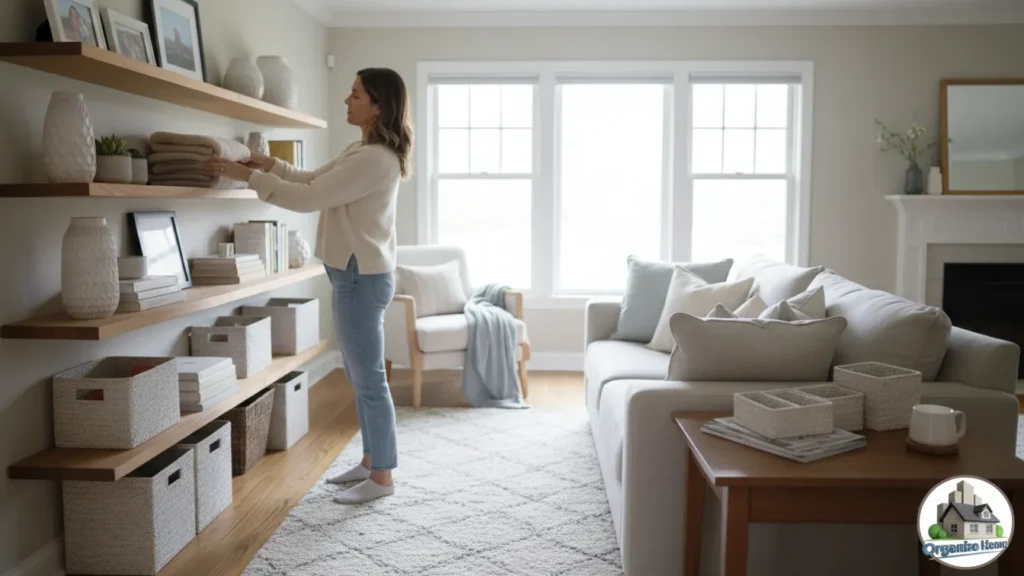
Decluttering when you don’t have storage space can feel impossible at first. Many people look around their homes and think the problem is a lack of closets, cabinets, or shelves. When every surface feels full and every drawer feels packed, it’s natural to assume that more storage is the only solution. In reality, this situation is one of the clearest signs that decluttering—not storage—is the place to start.
When storage is limited, clutter becomes visible much faster. There’s no buffer to hide excess items, so everything spills into daily living areas. This visibility often creates frustration and the feeling that your home simply isn’t “designed right.” But most homes, even small ones, can function well when the volume of belongings matches the space available.
Decluttering when you don’t have storage space works differently than decluttering in large homes. You don’t have the option to shift items around endlessly or hide things temporarily. Instead, every item you keep must truly earn its place. This can feel uncomfortable at first, but it’s also what makes decluttering in small or storage-limited homes so effective once you begin.
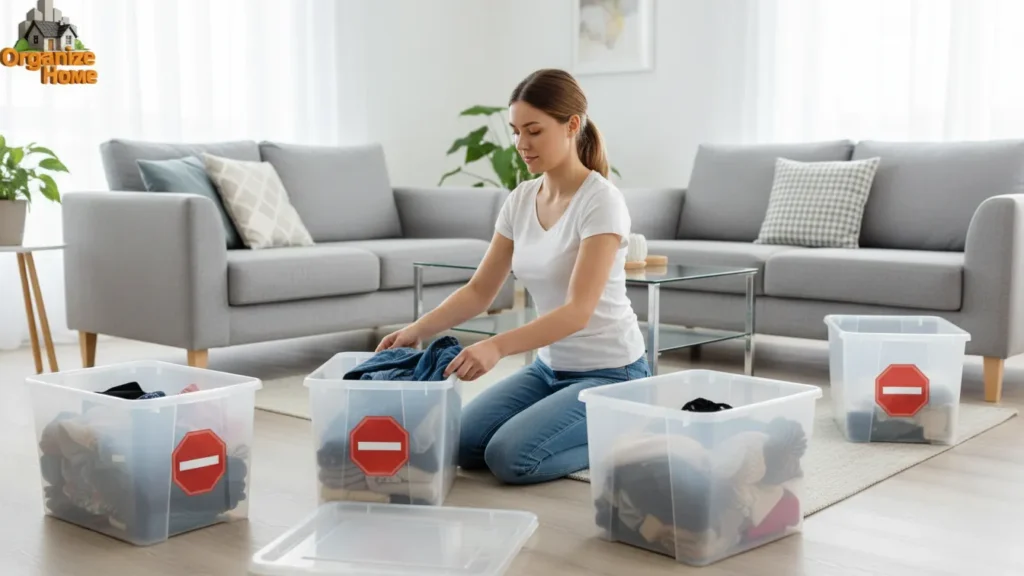
A common mistake is trying to solve the problem by adding bins, baskets, or furniture before reducing what you own. When there’s already too much, new storage fills up instantly and often makes spaces feel even tighter. Decluttering first creates breathing room so that the storage you already have can actually work.
It’s important to understand that lack of storage doesn’t mean lack of organization skills. Many people blame themselves for not being “organized enough,” when the real issue is that the space is over capacity. No system works when it’s packed to the limit. Decluttering reduces that pressure and allows simple systems to function naturally.
Another reason decluttering feels harder without storage is fear. Letting go can feel riskier when there’s nowhere to put things “just in case.” But this fear often fades once you start making small, confident decisions. As volume decreases, clarity increases. You begin to see which items matter and which ones were only being kept because there was no clear moment to decide.
Decluttering when you don’t have storage space is not about minimalism or extreme reduction. It’s about alignment. Your belongings need to align with your space, your routines, and your energy. When that alignment exists, even limited storage feels sufficient.
This article will walk through how to approach decluttering when storage is tight—without buying more containers, without turning your home upside down, and without feeling like you’re doing something wrong. With the right mindset and steps, limited storage can actually become an advantage, guiding clearer decisions and creating a home that feels lighter and easier to live in.
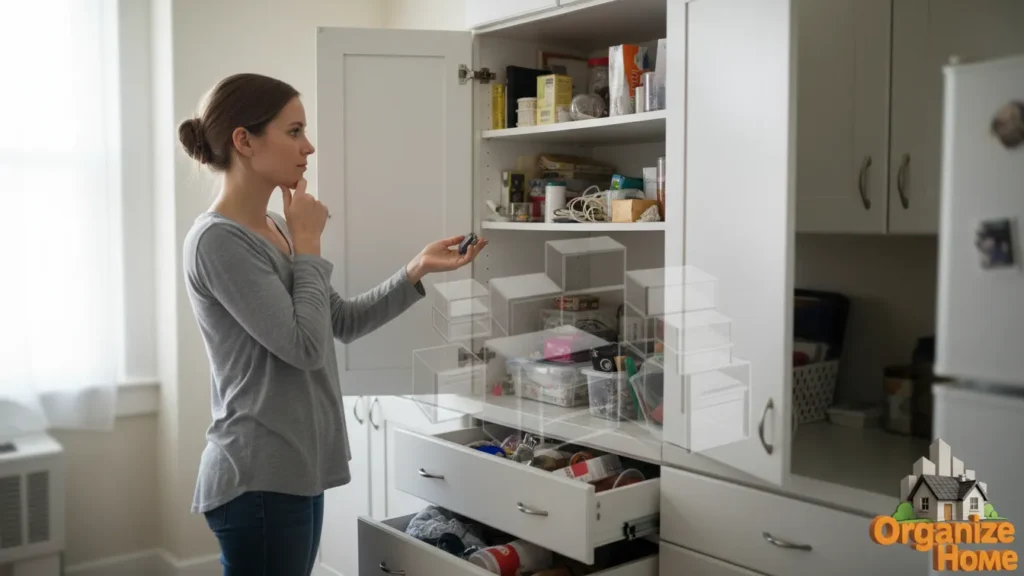
Why Lack of Storage Is Not the Real Problem
When homes feel cramped and cluttered, storage is usually the first thing people blame. Not enough closets, not enough cabinets, not enough shelves—it seems logical to assume that the solution is adding more places to put things. But in most cases, lack of storage is not the real problem. The real issue is having more belongings than the space can reasonably support.
Storage is only meant to hold what fits. It’s not designed to compensate for excess. When every drawer, shelf, and cabinet is already full, adding more storage doesn’t create relief—it simply spreads the same problem into new containers. This is why decluttering when you don’t have storage space often feels so frustrating: the space is already operating beyond capacity.
Another reason storage feels insufficient is that clutter hides the true limits of a home. Items get stacked, shoved, and layered until nothing is easy to access. At that point, it’s not that storage is missing—it’s that storage is overloaded. No system works well when it’s packed edge to edge.
It’s also important to recognize how marketing influences this belief. Storage solutions are often presented as the fix for clutter, which shifts attention away from volume and toward containers. This creates a cycle where people buy bins, baskets, and furniture, only to find that the space still feels full a few weeks later.
In reality, storage works best after decluttering, not before. When you reduce the number of items competing for space, existing storage suddenly feels more functional. Drawers close easily. Shelves breathe. You can see and reach what you own without effort.
Understanding that storage isn’t the core problem is freeing. It removes self-blame and pressure to “figure out a better system.” Decluttering addresses the root issue by bringing belongings back into balance with the space. Once that balance exists, storage stops feeling like the enemy—and starts working the way it was meant to.
How Too Much Stuff Overwhelms Any Storage System
No matter how well-designed a storage system is, it will fail when there’s simply too much stuff. This is one of the most overlooked truths about clutter. People often assume their storage isn’t working because it’s poorly organized, when in reality it’s overwhelmed by volume.
Storage systems are built with limits. Shelves, drawers, cabinets, and closets are meant to hold a reasonable amount of items while still allowing access and visibility. When those limits are exceeded, storage stops functioning as a system and turns into a holding zone. Items get stacked, layered, and pushed to the back, making everything harder to find and harder to put away.
When storage is overwhelmed, everyday tasks take longer. You have to move things just to reach what you need. Items don’t return to their places because doing so requires effort. This creates surface clutter, which then reinforces the belief that you need even more storage. The real issue, however, is that the system is overloaded—not poorly designed.
Too much stuff also creates friction inside storage spaces. Drawers won’t close smoothly. Shelves bow or feel crowded. Cabinets become “junk zones” because there’s no room to sort items logically. At this point, even the best organizing tools can’t compensate for the excess.
Another problem with overloaded storage is decision fatigue. When everything is packed tightly, each interaction with the space becomes a mini problem to solve. This constant low-level stress makes people avoid dealing with storage altogether, allowing clutter to build up even more.
It’s important to understand that this isn’t a failure of discipline or organization skills. It’s a math problem. If the number of items exceeds the capacity of the space, no system will hold up long-term. Decluttering reduces the number of variables so the system can actually work.
When volume decreases, storage naturally improves. Items fit comfortably. You can see what you own. Putting things away becomes easier than leaving them out. This is why decluttering—especially when storage is limited—is not optional. It’s the only way storage systems can function as intended.
Too much stuff overwhelms storage because storage was never meant to do the work of decluttering. Once that responsibility is removed, even simple storage solutions become effective and easy to maintain.
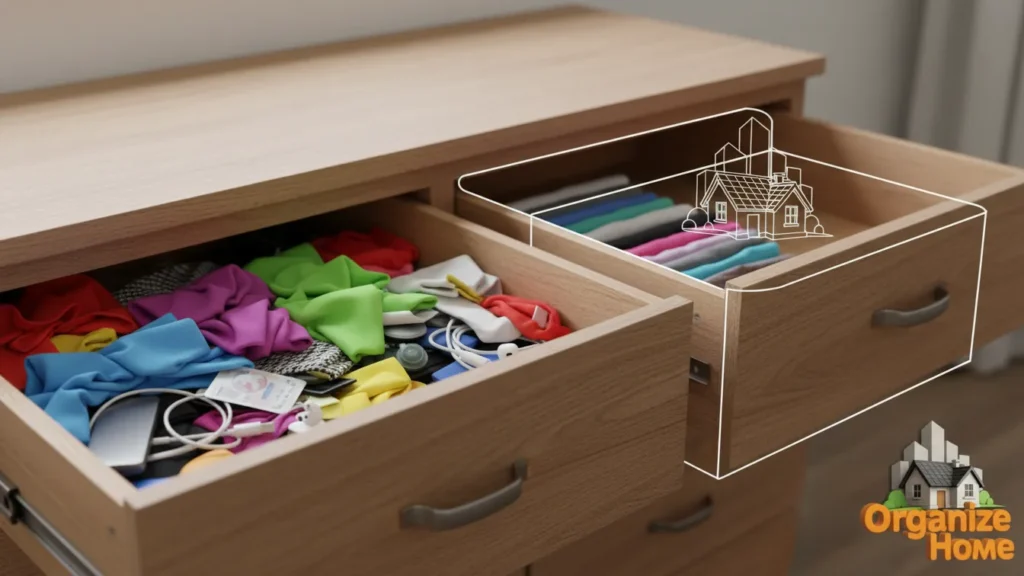
Decluttering Before Trying to Add Storage
When storage feels insufficient, the natural instinct is to look for ways to add more—more bins, more shelves, more furniture. But when a home already feels full, adding storage almost always makes the problem worse. Decluttering must come before trying to add storage, especially when space is limited.
Adding storage without decluttering simply redistributes excess. Items get moved into new containers, but the total volume stays the same. Very quickly, those containers fill up, surfaces get crowded again, and frustration returns. This is why many people feel like storage “never works”—they’re asking it to solve a problem it wasn’t designed to fix.
Decluttering first changes the equation. By reducing the number of items competing for space, you give existing storage room to function properly. Drawers can hold items without being packed tight. Shelves can breathe. Cabinets become usable instead of stressful. Often, once decluttering happens, the need for additional storage disappears entirely.
Another reason to declutter before adding storage is clarity. It’s difficult to choose the right storage solutions when you don’t yet know what you’re keeping. Decluttering reveals patterns—what you use often, what you rarely touch, and what no longer fits your life. This clarity prevents unnecessary purchases and wasted space.
There’s also a psychological benefit. Decluttering creates visible relief, which reduces the urge to “fix” the space with products. When the environment feels calmer, decisions about storage become more intentional instead of reactive.
This doesn’t mean storage is never helpful. It means storage should support what remains, not compensate for excess. When you declutter first, any storage you do add is more likely to be minimal, purposeful, and effective.
In homes with limited space, decluttering before adding storage isn’t just a recommendation—it’s essential. It aligns belongings with reality and allows your home to function better without expanding its footprint.
How to Decide What Truly Deserves Storage Space
When storage is limited, every item you keep takes on more importance. This is why deciding what truly deserves storage space is one of the most critical steps in decluttering when you don’t have room to spare. Storage is not neutral—it’s valuable real estate in your home.
A helpful shift is to stop asking, “Where can I put this?” and start asking, “Does this deserve space in my home?” This question reframes storage as something that must be earned, not automatically granted. When space is tight, usefulness and relevance matter more than intention or guilt.
Items that deserve storage space are those that actively support your current life. They’re used regularly, needed seasonally, or clearly contribute to daily routines. These items justify the space they take because they reduce friction rather than create it. If an item consistently makes storage feel crowded or difficult to manage, its value should be questioned.
Another important factor is accessibility. Even useful items don’t deserve prime storage if they’re rarely used. Storage works best when it reflects frequency of use. Items you reach for often should be easy to access. Items used occasionally should take secondary space. When rarely used items occupy the most convenient spots, storage feels inefficient and frustrating.
It’s also essential to separate past value from present value. Many items are kept because they were once useful, expensive, or meaningful. But storage decisions should be based on current reality. If an item no longer fits how you live now, keeping it comes at the cost of space for things that do.
Duplicates are another category to examine closely. Limited storage doesn’t support redundancy well. Keeping multiple versions of the same item “just in case” often crowds out what you actually use. Choosing the best or most reliable version usually frees up significant space with minimal discomfort.
A practical guideline is this: if storing an item makes your space harder to use, it may not deserve to stay. Storage should make life easier, not more complicated. When putting something away feels stressful or requires rearranging other items, that’s a sign the balance is off.
Deciding what deserves storage space isn’t about being strict—it’s about being intentional. When storage is treated as a limited resource, choices become clearer. The result is not emptiness, but functionality: storage that supports your home instead of fighting against it.
👉 Decluttering Without Making a Bigger Mess
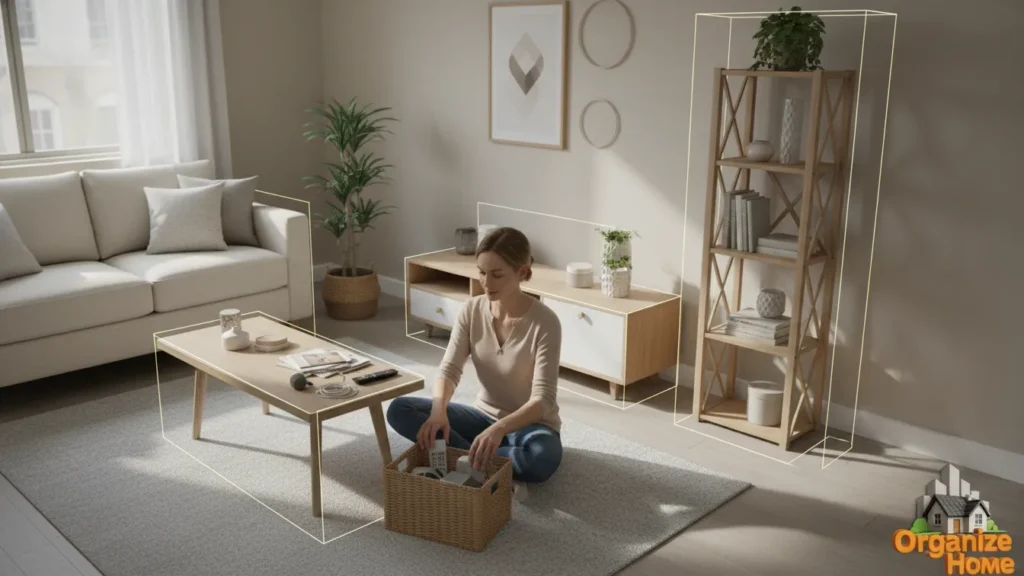
Making Space by Reducing Volume, Not Adding Containers
When storage is limited, it’s tempting to believe that the solution is better containers—stackable bins, slim organizers, or multifunctional furniture. But when a home already feels full, containers don’t create space. Reducing volume does. This is one of the most important mindset shifts when decluttering without storage space.
Containers can only organize what fits inside them. They don’t change how much you own. When volume stays the same, containers simply compress clutter into tighter spaces. This often makes storage feel even more crowded and harder to use, because everything is packed together with no breathing room.
Real space is created when there are fewer items competing for the same storage areas. Once volume is reduced, drawers close easily, shelves aren’t overstuffed, and cabinets become functional again. The space was always there—it was just hidden behind excess.
Reducing volume also improves visibility. When storage isn’t packed to the limit, you can see what you own without digging or rearranging. This reduces duplicate purchases, forgotten items, and the feeling that nothing ever stays organized. Fewer items mean clearer systems, even without special organizers.
Another benefit of reducing volume is flexibility. When storage has empty space, it can absorb daily life. Items can be put away quickly, temporary clutter doesn’t immediately cause overflow, and small changes don’t derail the entire system. Containers rarely offer this kind of flexibility when they’re full.
It’s also important to recognize that containers often delay decisions. Putting items into bins can feel productive, but it avoids the harder question of whether those items belong in your home at all. Decluttering forces clarity. Containers often postpone it.
This doesn’t mean containers are never useful. It means they work after volume is reduced, not before. When you already have space, containers can help group items and maintain order. When you don’t, they usually add complexity.
Making space by reducing volume is what allows storage to function naturally. Instead of searching for the perfect container, the most effective solution is often removing what no longer fits. When less is stored, storage starts working—without needing anything new.
Decluttering Small Homes and Apartments
Decluttering in small homes and apartments comes with unique challenges. Limited square footage, fewer closets, and multi-purpose rooms leave very little margin for excess. When space is tight, clutter doesn’t hide—it immediately affects how the home feels and functions. This is why decluttering is especially important in smaller living spaces.
In small homes, every item has a bigger impact. A few unnecessary belongings can make a room feel crowded, restrict movement, and increase daily frustration. Decluttering helps restore balance by aligning what you own with what the space can realistically support.
One of the most effective strategies in small spaces is decluttering with function in mind. Each room often serves more than one purpose—living room, workspace, storage area. Items that don’t actively support those purposes create friction. Asking whether something truly contributes to how the space is used makes decisions clearer and faster.
Another key principle is avoiding “overflow thinking.” In larger homes, extra items can sometimes be spread out or tucked away. In small homes, this isn’t possible. When storage is full, clutter spills into visible areas. Decluttering prevents this by reducing the total volume so storage can absorb daily use without overflowing.
It’s also helpful to declutter in smaller sections than you might in a larger home. One shelf, one drawer, or one corner at a time keeps the process manageable and prevents the space from becoming unusable mid-session. Small spaces require controlled decluttering to stay livable throughout the process.
Sentimental and “just in case” items tend to be more problematic in apartments and small homes. Because storage is limited, keeping items for hypothetical future use often crowds out what’s needed now. Decluttering with a focus on current life—not future possibilities—helps protect valuable space.
Decluttering small homes isn’t about making them sparse or impersonal. It’s about making them functional and comfortable. When belongings fit the space, rooms feel calmer, easier to move through, and more flexible for daily life.
In small homes and apartments, decluttering isn’t optional—it’s foundational. Reducing excess is what allows limited space to work well, feel open, and support your routines without constant frustration.
👉 Decluttering Without Feeling Guilty
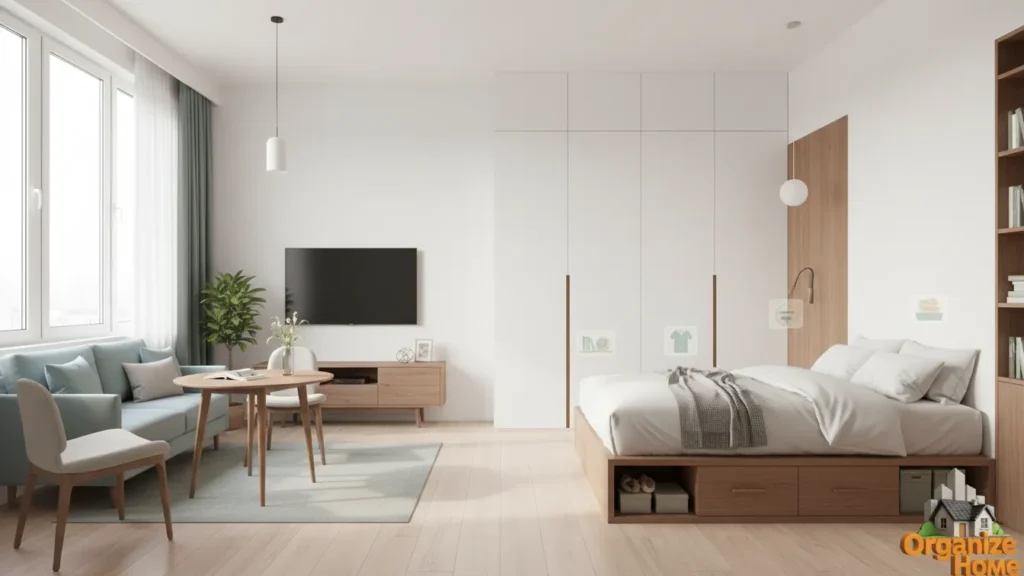
What to Do When Every Space Feels Full
When every shelf, drawer, and surface feels full, decluttering can feel especially discouraging. It may seem like there’s nowhere to start and nowhere to put anything, which often leads to freezing or endlessly shifting items around. When this happens, the problem isn’t a lack of creativity—it’s that the home has reached maximum capacity.
The most important step when every space feels full is to stop trying to fit things in. Packing items tighter, stacking higher, or squeezing objects into already-full areas only increases stress and makes daily life harder. At this stage, the goal is not better use of space—it’s reducing what’s competing for that space.
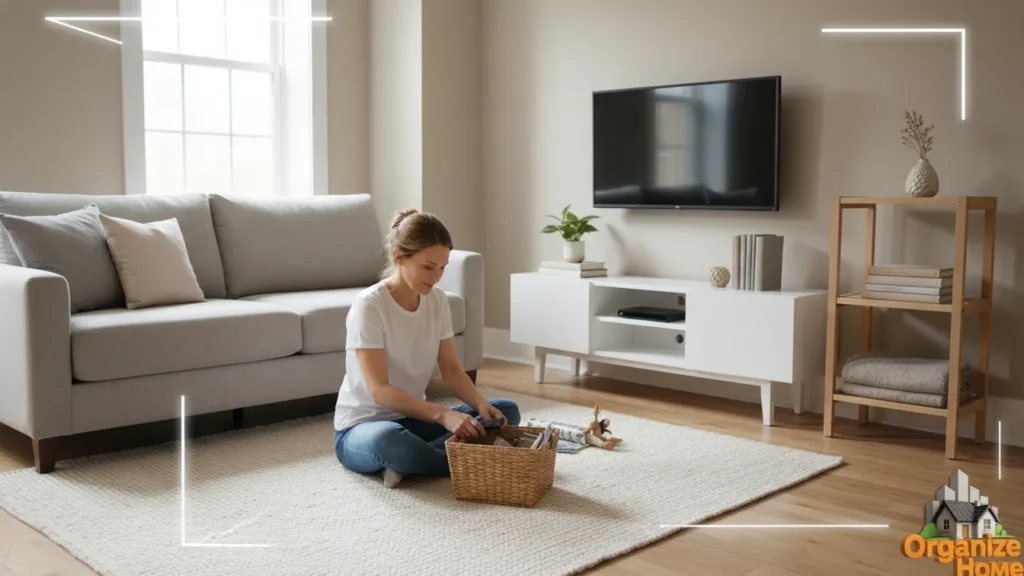
A helpful way to begin is by choosing one very small, clearly defined area and focusing only on removal. Instead of asking where items will go, ask which items clearly don’t need to stay. Broken items, duplicates, things you don’t use, or items that don’t belong in that space are often the easiest starting points. Removing even a small number of items creates immediate relief.
Another important shift is working outward, not inward. When storage is full, start with what’s most visible or most disruptive to daily routines. Clearing a small surface or opening up a single drawer can create just enough breathing room to make the next step feel possible.
It’s also helpful to avoid moving items from one full space to another. Shuffling clutter rarely creates relief—it just changes its location. When everything feels full, decisions about letting go matter more than decisions about placement.
Feeling like every space is full can be uncomfortable, but it’s also informative. It’s a clear signal that your home is asking for fewer items, not more storage. Once volume starts to decrease, even slightly, the sense of being “stuck” begins to fade—and space starts to reappear where it felt impossible before.
How to Use Existing Storage More Effectively
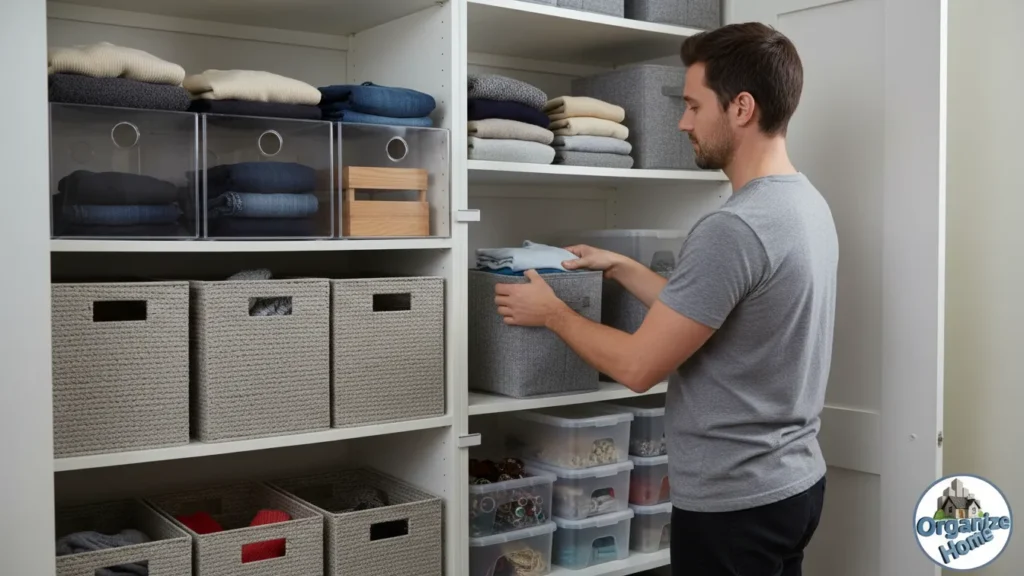
When storage feels scarce, the instinct is often to look for more space. But in many homes, the solution isn’t adding storage—it’s using existing storage more effectively after decluttering has reduced the volume. Storage works best when it’s supporting fewer items, not struggling to contain too many.
The first step is reassessing what your current storage is actually meant to hold. Drawers, shelves, and cabinets often become catch-alls over time, losing their original purpose. Once clutter is reduced, it becomes easier to assign clear roles to each space. Storage functions better when categories are simple and consistent, not overloaded or mixed randomly.
Accessibility is another key factor. Items you use frequently should be stored where they’re easy to reach, without moving other things out of the way. When everyday items are buried behind rarely used ones, storage feels inefficient—even if there’s technically room. Rearranging by frequency of use often makes existing storage feel instantly more spacious.
Visibility matters as well. Storage that’s packed tightly hides what you own, which leads to frustration and duplicate purchases. Leaving some open space in drawers and on shelves allows you to see items at a glance. This visual clarity reduces decision fatigue and makes it easier to put things away.
It’s also helpful to avoid stacking within storage whenever possible. Stacks require multiple steps to access lower items, which increases friction. When items are easier to reach, they’re more likely to be returned to their place instead of left out. Reducing volume makes flatter, more accessible storage layouts possible.
Another overlooked strategy is simplifying what’s stored together. Storage feels more effective when each space holds similar items with a shared purpose. This reduces rummaging and prevents items from migrating into spaces where they don’t belong.
Using existing storage more effectively isn’t about clever hacks or products. It’s about alignment—matching what you store with how you live. Once excess is removed, storage stops feeling like a limitation and starts working as a supportive part of daily life.
When Buying Storage Actually Makes Things Worse
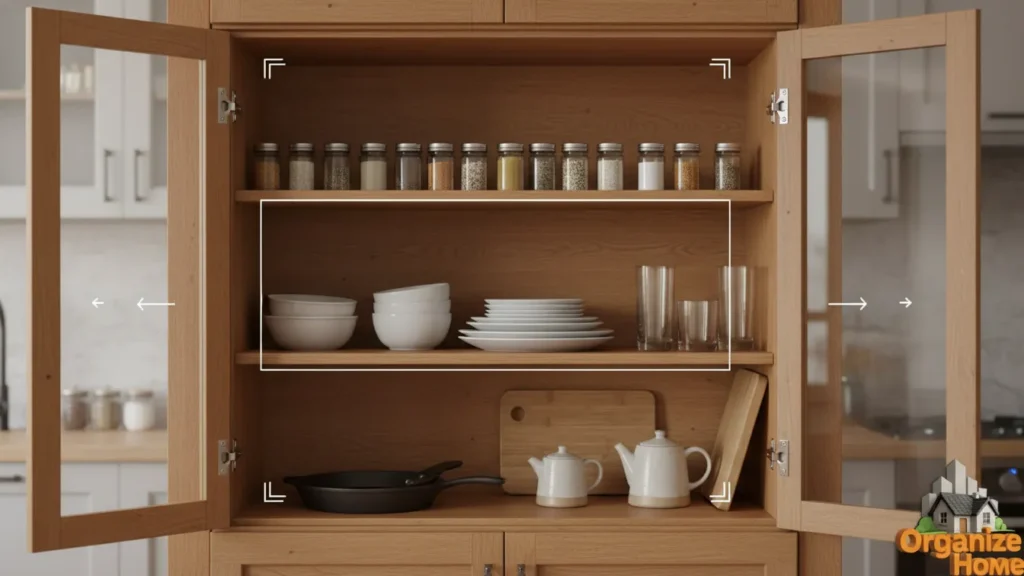
Buying storage often feels like a productive step when a home feels cluttered. Shelves, bins, baskets, and organizers promise order and relief. But when storage is added before decluttering, it frequently makes the situation worse instead of better—especially in homes with limited space.
The main problem is that new storage rarely reduces volume. It simply creates new places to put excess items. When clutter is the real issue, additional storage becomes a way to avoid decisions. Items get relocated instead of evaluated, and the home stays just as full—sometimes even more crowded than before.
Another issue is false containment. New storage gives the impression that clutter is “handled,” even when nothing meaningful has changed. Containers fill quickly, often with items that weren’t truly needed to begin with. Once they’re full, surfaces start filling again, and the cycle repeats.
Buying storage can also shrink usable space. Extra shelves or furniture take up floor area, block movement, or make rooms feel tighter. In small homes and apartments, this can reduce functionality and increase daily frustration rather than improve it.
There’s also a psychological cost. When storage solutions don’t solve the problem, people often blame themselves for choosing the “wrong” products. In reality, no storage solution can compensate for too much stuff. The issue isn’t execution—it’s sequence.
Storage purchases are most effective after decluttering, when you clearly understand what remains and how it’s used. At that point, storage supports what you’ve chosen to keep instead of masking excess. Often, people discover they need far less storage than they expected—or none at all.
Buying storage makes things worse when it replaces decluttering instead of supporting it. When volume is reduced first, storage becomes a helpful tool. When it isn’t, storage simply hides clutter temporarily—and delays real progress.
Decluttering as the Solution to Storage Frustration
When storage feels like a constant struggle, it’s easy to believe the home itself is the problem. Not enough closets. Not enough cabinets. Not enough room. But in most cases, decluttering is the real solution to storage frustration, not bigger furniture or better systems.
Storage frustration usually comes from pressure. Too many items are competing for too little space, and storage is forced to do a job it wasn’t designed to do—contain excess. When this happens, even well-organized storage feels stressful. Drawers become tight, shelves overflow, and putting things away feels like a chore instead of a simple habit.
Decluttering removes that pressure. By reducing volume, storage is allowed to function normally again. Items fit without being crammed. Spaces become easier to use and easier to maintain. The frustration doesn’t disappear because of a new system—it disappears because the system finally has room to work.
Another reason decluttering solves storage frustration is decision clarity. When there’s less to manage, it’s easier to see what belongs where. Storage stops feeling confusing or random because it reflects intentional choices instead of accumulation over time.
Decluttering also breaks the cycle of constant rearranging. Many people spend years shifting items between bins, closets, and rooms, hoping the right configuration will finally make storage work. Decluttering ends this cycle by addressing the root cause instead of the symptoms.
It’s important to recognize that storage frustration is not a personal failure. It’s a sign that your space is asking for fewer items, not more effort. Decluttering responds directly to that request by bringing belongings back into balance with the home.
When decluttering is treated as the foundation—not an optional step—storage becomes supportive instead of stressful. The home feels calmer, decisions feel lighter, and storage stops being something you fight against.
Decluttering doesn’t just free up space. It frees storage from overload, turning frustration into function without adding anything new to the home.
Creating Breathing Room Without More Storage
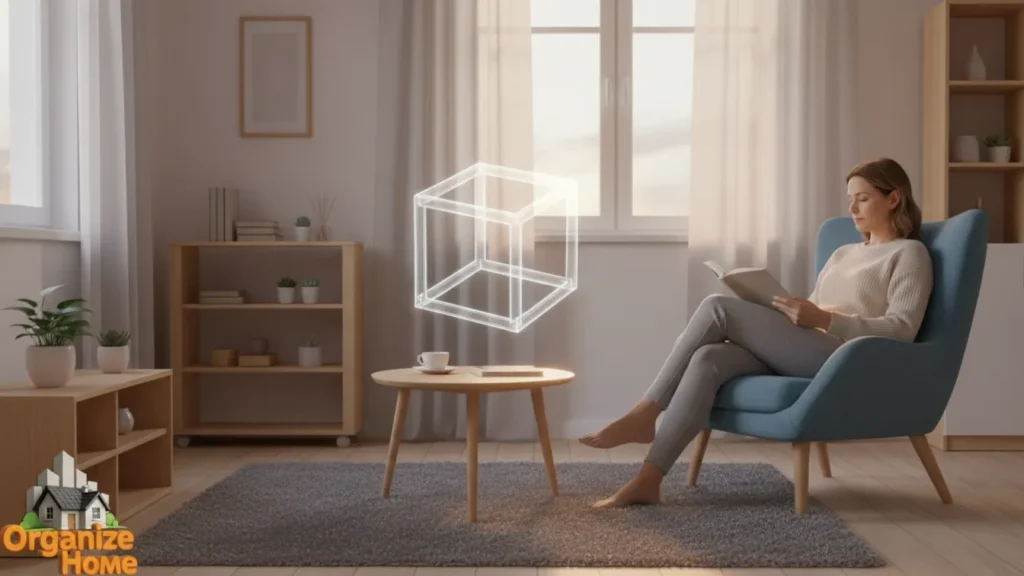
Creating breathing room in a home with limited storage doesn’t require buying anything new. It comes from intentional reduction and realistic use of space, not from adding containers or furniture. When belongings align with the size of the home, space naturally begins to open up.
Breathing room starts with allowing emptiness to exist. Many people feel uncomfortable leaving shelves, drawers, or corners partially empty, assuming that unused space is wasted. In reality, empty space is what allows a home to function smoothly. It provides flexibility, ease of movement, and room for daily life without constant friction.
Another key element is resisting the urge to fill newly cleared areas. After decluttering, it’s common to notice available space and subconsciously want to use it. This habit slowly rebuilds clutter. Protecting breathing room means letting that space stay open on purpose, even if it feels unfamiliar at first.
Breathing room is also created by simplifying how items are grouped. When storage areas are not over-categorized or packed tightly, they become easier to use and easier to maintain. Fewer items per space reduce visual noise and mental load, making the home feel calmer overall.
It’s important to recognize that breathing room is not about minimalism or having less than you need. It’s about having just enough. Enough space to put things away easily. Enough margin for daily routines. Enough flexibility for change. This balance looks different for every home, but it always involves letting go of excess.
Creating breathing room without more storage also changes how you interact with your home. Tasks take less time. Cleaning and resetting feel lighter. Decisions become simpler. The home stops feeling like it’s constantly on the edge of disorder.
When storage is limited, breathing room becomes even more valuable. It’s what allows small spaces to feel livable instead of cramped. And the only reliable way to create it is through decluttering—not through adding more places to hide things.
By prioritizing space over storage, you allow your home to support you instead of working against you. Breathing room isn’t something you buy—it’s something you create by choosing less, on purpose.